
The framing everyone gets wrong: hormone therapy and environmental cooling products are not alternatives. They solve different parts of the problem and most women who benefit most use both.
Here’s the honest version.
What hormone therapy actually does
Hormone therapy (HRT, sometimes called MHT for menopausal hormone therapy) replaces the estrogen your body is no longer producing reliably. When it works, it addresses the root cause of vasomotor symptoms — the hypothalamus stops over-reacting to small temperature changes because estrogen levels are stable again.
In clinical trials, hormone therapy reduces hot flash frequency by 70–90% and severity by similar margins. It’s the single most effective treatment available for vasomotor symptoms — by a wide margin — and the research on its risk profile has shifted substantially in the last decade. The Women’s Health Initiative findings that scared a generation of women off HRT have been largely re-interpreted in light of newer data on timing, dose, and delivery method.
The practical reality: women who start HRT within 10 years of their last period, at low doses, using transdermal delivery (patch or gel) generally have a favorable risk/benefit profile. That’s not medical advice for you specifically — it’s the current framework that informed clinicians use.
What cooling products actually do
Cooling products manage symptoms in the moment. They don’t change what’s happening in your hypothalamus. They just make the experience of vasomotor symptoms less disruptive to your sleep and daily life.
A cooling pillow doesn’t prevent a hot flash. It shortens the wake-up from the hot flash.
That’s a different kind of win. Worth having even if you’re on HRT — because even HRT doesn’t completely eliminate vasomotor symptoms for most women, and during the adjustment period (weeks 2–8 of starting HRT) symptoms can temporarily increase before they fall.
Stacking them
If you’re not on HRT:
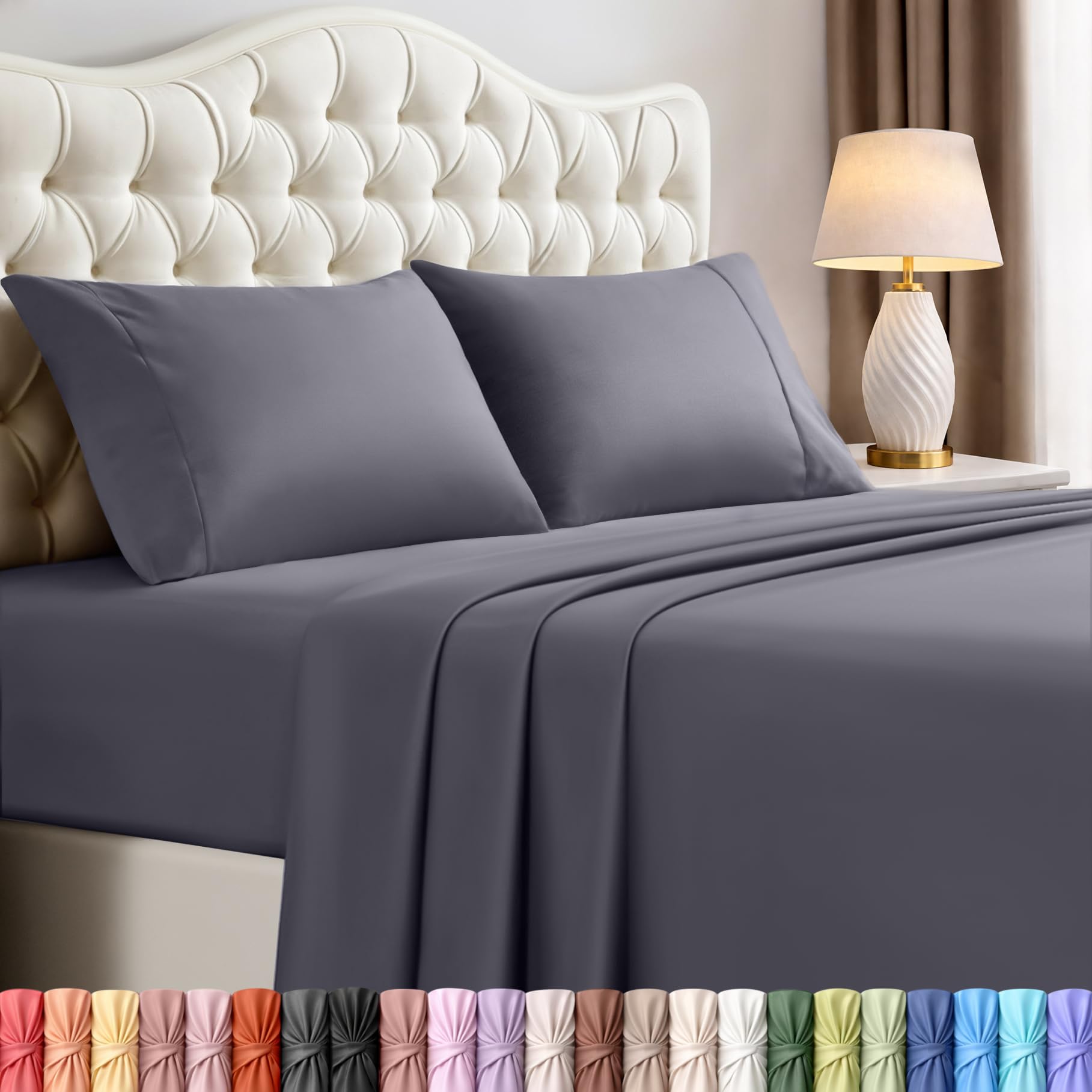
The environmental cooling stack — sheets, fan, bedroom temperature, layered sleepwear — handles mild to moderate symptoms for most women. Start there. It’s cheap, reversible, no side effects. If it works, you may not need HRT at all.
If symptoms remain severe after 4–6 weeks of a serious environmental push, it’s time for a doctor conversation about HRT (or non-hormonal alternatives like low-dose paroxetine, SSRIs, gabapentin).
If you’re on HRT or starting it:
Don’t stop the environmental stack. The first 4–8 weeks of HRT can include a temporary symptom increase before you settle into the new baseline. Cooling sheets and a bedside fan make that transition bearable.
Even at your stable HRT dose, you’ll still have breakthrough symptoms occasionally. Cooling pillowcasesCheck on Amazon → and a fan keep the breakthrough from becoming a two-hour awake window.
The honest tradeoff
HRT is harder to decide. It’s a medical intervention with real (small for most women, but real) risks. It requires a prescription, monitoring, and a prescriber who keeps up with the evolving research. For women with a history of breast cancer, certain cardiovascular conditions, or active blood clots, it’s contraindicated.
Cooling products are easy. $100 in sheets, pillowcases, and a fan solves 60–80% of the sleep disruption for most women. No prescription, no risk, fully reversible.
The women we’ve spoken to who’re happiest with their results generally did both: environmental stack first, HRT added in cases where it was clinically indicated, both maintained long-term.
When to talk to a doctor specifically
Book the conversation if:
- Hot flashes are happening more than 5 times a day or disrupting sleep more than 3 nights per week despite environmental fixes
- You’re in surgical or early menopause (under age 45) — the case for HRT is substantially stronger
- You have joint pain, brain fog, or mood changes that feel hormonal — HRT addresses those too
- You have significant vaginal dryness, recurrent UTIs, or dyspareunia — localized vaginal estrogen is a different beast from systemic HRT, much lower risk, and highly effective
The bottom line
Build the environmental cooling toolkit regardless of what you decide about HRT. It’s the floor everyone benefits from.
Talk to a doctor about HRT if environmental fixes aren’t enough, or if you have symptoms beyond vasomotor (joint pain, brain fog, genitourinary symptoms) that suggest hormonal intervention would address them. Don’t let the 2000s-era fear narrative decide for you — the evidence is meaningfully different now than it was then.