
You wake up at 2:47am, sheets soaked, peeling off the top layer, sitting up to breathe. Twenty minutes later you’re shivering. You fall back asleep. You wake up at 4:12am doing it all over again. By morning you’ve had maybe four total hours of real sleep, and the day ahead looks like a wall.
This is not a personality trait. It is also not something you should be expected to just “manage.” The frustrating part is that most advice you’ve been given — drink more water, try meditation, wear cotton — is true enough to feel dismissive and incomplete enough to not actually work.
This guide is different. We’ve built the cooling toolkit from the ground up, starting with what’s actually happening in your body and working outward through behavioral changes, bedroom setup, and the specific products we’ve tested. None of it is magic. All of it is layered so that on a bad night, you have more than one tool working.
What’s actually happening in your body
During perimenopause, estrogen levels begin to fluctuate — not steadily drop, but swing in ways that confuse your body’s thermoregulation system. The hypothalamus is the part of your brain responsible for keeping your core body temperature in a narrow range. Estrogen helps it calibrate. When estrogen swings, the hypothalamus over-reacts to small temperature changes, deciding you’re overheated when you’re not.
The result is a hot flash: rapid vasodilation of the skin, sweating to dissipate heat that wasn’t really there to begin with, followed by a rebound cold sensation as the evaporating sweat over-cools you. At night, because your core temperature naturally drops during sleep and spikes again right before you wake, the hypothalamus has more opportunities to mis-fire. Night sweats are just hot flashes that happened while you were asleep.
Research from the Menopause Society shows that about 75% of women experience vasomotor symptoms during the menopause transition, and the average duration is 7–10 years. Knowing this isn’t comforting — but it does reframe the problem. You are not looking for a short-term fix. You are building a long-term environment and routine that makes your body’s unreliable thermoregulation system’s job easier.
What to try first — before you buy anything
A small number of behavioral changes do more than any single product we’ll recommend below. Do these first.
Set your bedroom to 65°F (18°C) at night. The 65–67°F range is consistently cited in sleep research as optimal for thermoregulation, and it’s particularly useful during perimenopause because the cool ambient air gives your overheating body a real gradient to dump heat into. If your partner prefers warmer, negotiate — a weighted blanket on their side and a lighter one on yours is a fair compromise.
Stop caffeine after noon, alcohol at least three hours before bed. Both are proven hot flash triggers. Alcohol in particular disrupts the deep sleep phases where your body does its temperature recalibration work. We know this is unfair advice. It is also the single highest-return behavioral change most women we’ve talked to can make.
Keep a glass of water bedside and drink when you wake. The vasomotor response often spikes adrenaline, which further disrupts sleep. Small sips of cool water help reset your system faster than lying there counting your breaths.
Layer your sleepwear instead of picking a single “cooling” fabric. A moisture-wicking tank plus a light robe you can throw on and off beats any single-layer “miracle” pajama we’ve ever tested. The goal is to shed and regain layers without getting out of bed.
Accept that you will wake up. This is counterintuitive but meaningful. Fighting the fact of the wake-up makes the wake-up longer. The women we’ve spoken to who’ve made peace with waking up once or twice per night — and built a specific cooling routine for when it happens — report getting back to sleep within five minutes instead of forty-five.
Do those five things for two weeks before buying anything. If symptoms drop to tolerable, you may not need much else. If they don’t, here’s the layered product stack we’ve tested.
The cooling toolkit — products that actually move the needle
We test products by using them ourselves for at least 30 nights, then talking to women in our community about how they compare. The picks below are ranked by how much difference they make on a bad night, starting with highest impact.
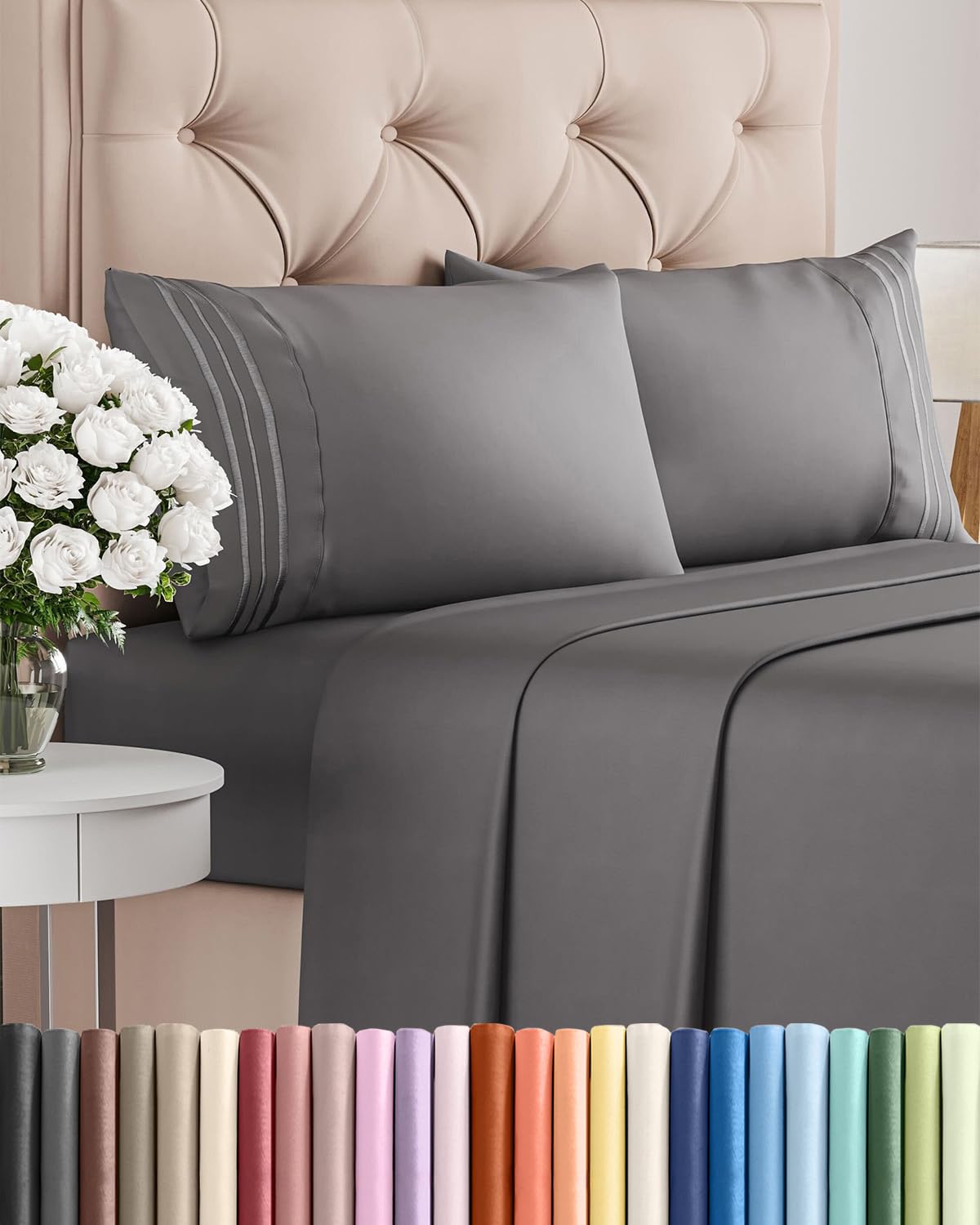
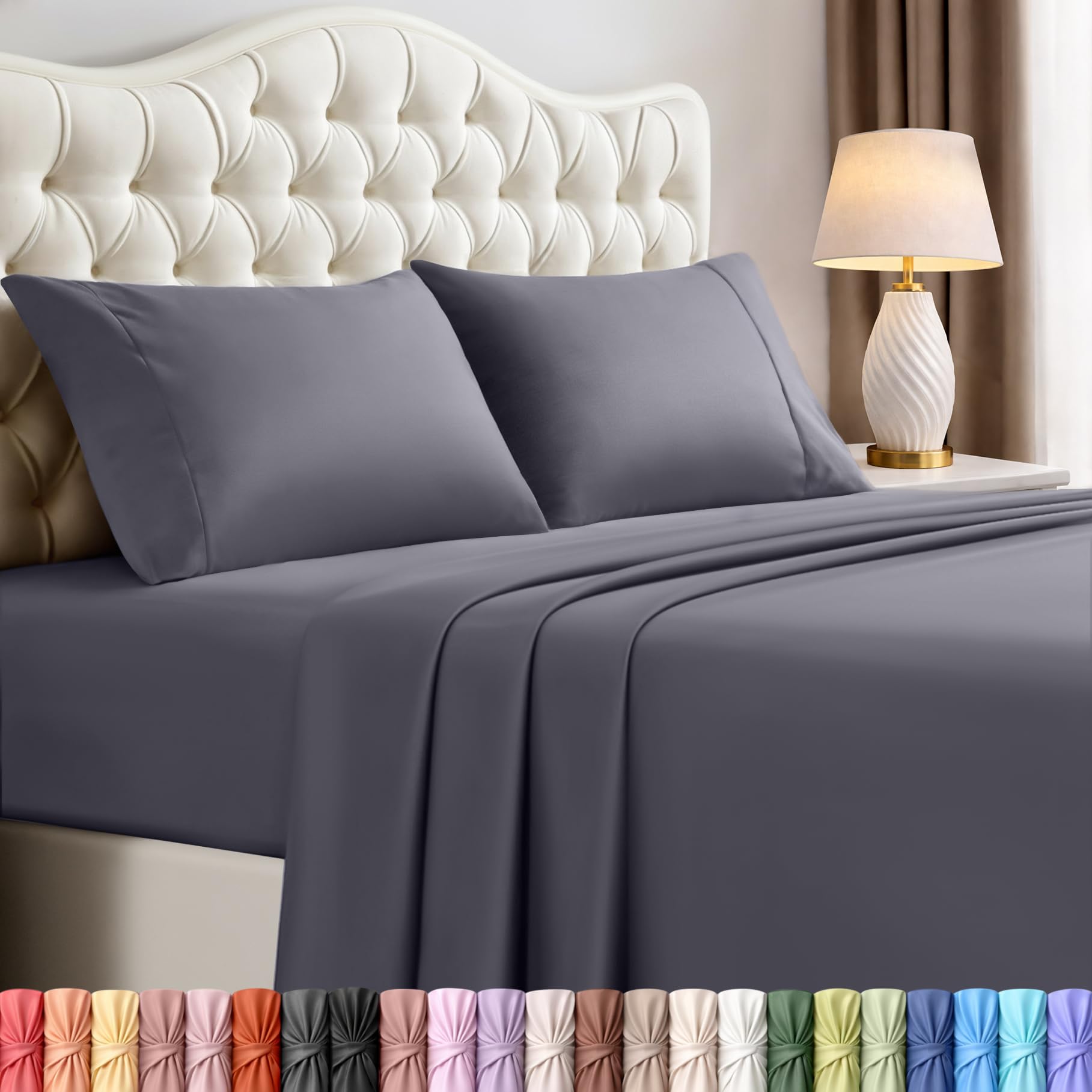
Start with the sheets. A breathable, moisture-wicking sheet set is doing work every minute you’re in bed, not just during an active flash. Our top pick is this cooling queen sheet set in bamboo-viscose blendCheck on Amazon → — it vents heat noticeably better than traditional cotton and dries fast enough that a post-flash wet patch isn’t an all-night problem. Deep pockets fit thicker mattresses without the corners popping off at 3am, which matters more than it should.
Mattress topper is the second upgrade. A viscose-from-bamboo topper like the Niagara Ultra Soft topper we testedCheck on Amazon → adds a cooling layer between you and the mattress itself, which is often a heat trap — foam mattresses especially retain body heat for hours. At ~$44 it’s the cheapest meaningful upgrade to an existing bed you can make.
Satin or silk pillowcases. The cooling effect isn’t about temperature per se; satin doesn’t grip and insulate your hair and face the way cotton does. This set of satin pillowcases we testedCheck on Amazon → is the price-to-value winner. As a side benefit, they’re much gentler on hair — a fringe benefit for women who are also contending with thinning hair during the same life phase.
A small bedside fan for targeted airflow. Central AC cools the room; a personal fan cools you. The Amazon Basics Air Circulator desk fanCheck on Amazon → has three speeds and enough tilt to aim directly at your pillow. Run it at low all night for constant airflow — the white-noise masking is a second benefit for light sleepers. Consider two if you and a partner prefer different air currents.
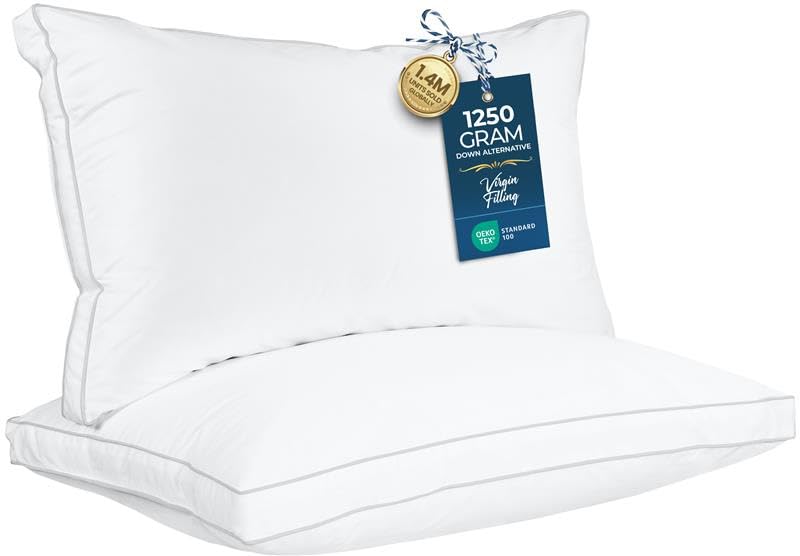
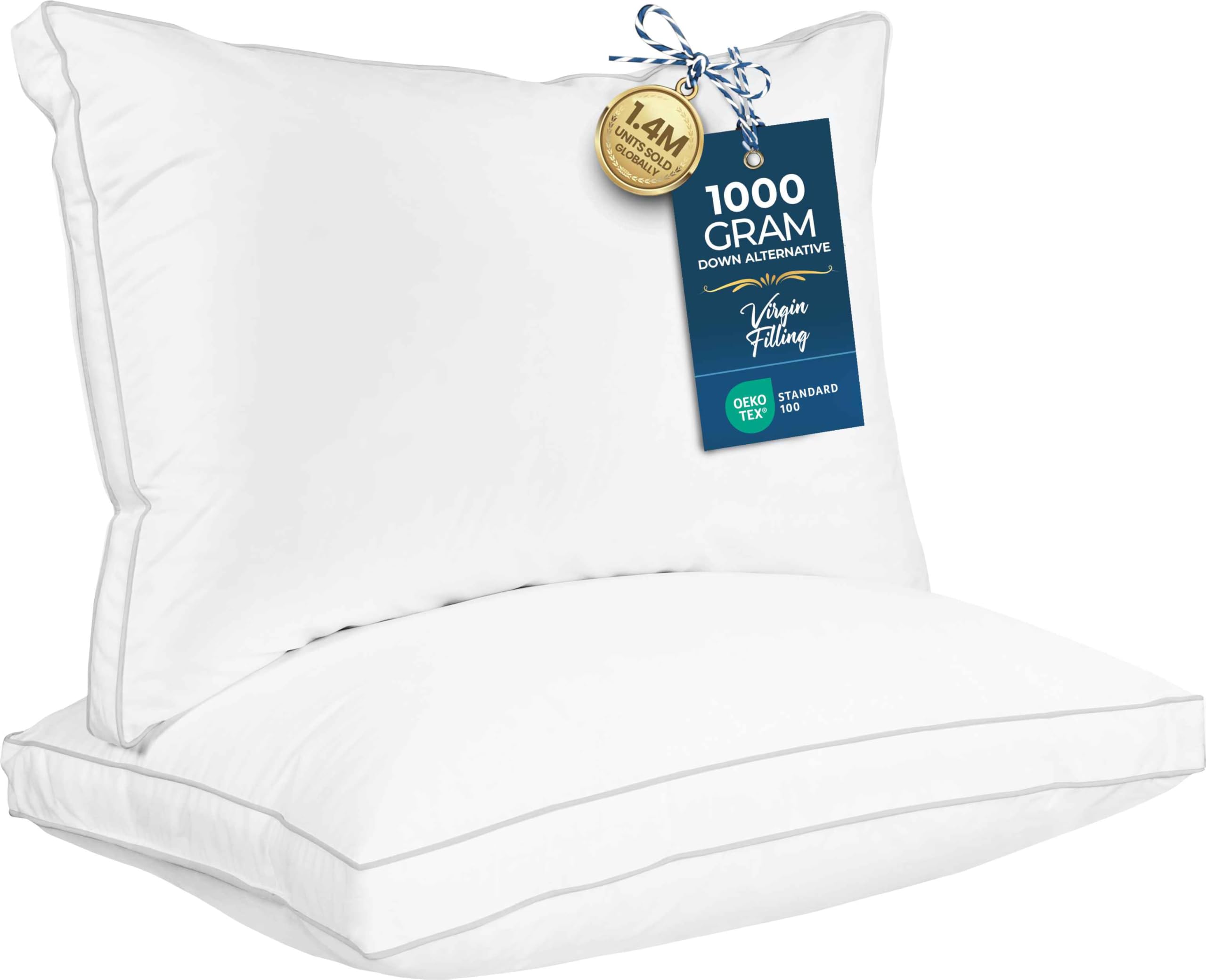
Supportive, non-heat-trapping pillows. If your pillow is five years old, it’s probably part of the problem. We’ve had consistent success with down-alternative pillowsCheck on Amazon → that don’t smother your neck and don’t hold heat the way memory foam does. Buy two; rotate them nightly so neither stays heat-saturated.
Total cost to build this stack from scratch: around $170. For a symptom cluster that affects you every night for years, the math is favorable.
Nighttime-specific strategies
A few additions for the worst-hit period — the 2am to 5am window when your thermoregulation is most unstable.
Keep a second pillowcase in the freezer. When you wake up drenched, swap the hot one for the cold one. It’s a 30-second action that cuts 20 minutes off your return-to-sleep time.
Put a towel over your pillow before you go to sleep. If you wake up soaked, pull it off and you’re back onto a dry surface without getting out of bed.
If you sleep with a partner, consider separate blankets entirely. Scandinavian-style two-blanket setups are increasingly common in US homes and they resolve roughly 80% of temperature-differential conflicts without anyone compromising.
A small ice pack or cold-gel neck wrap kept in a bedside cooler is a good on-demand tool. Wrapped in a thin cloth, pressed to the neck or inner wrists, it cuts an active hot flash in about two minutes instead of eight.
Daytime cooling strategies
Daytime hot flashes are a different problem — they happen in clothes, in public, during meetings, and without the privacy of your own bed. A few pieces of gear make them manageable.
A small personal fan you can keep in your desk drawer or bag. We know women who keep three — home, office, car.
Layered outfits built around a moisture-wicking base. A thin merino or bamboo tank under every outfit means you can shed the cardigan without rummaging. It sounds obvious; almost nobody does it systematically, and it transforms the experience.
A cooling neck wrap or scarf that activates with cold water. These sound gimmicky and feel gimmicky for the first 30 seconds, and then a hot flash hits and they’re worth every penny.
Hydration with electrolytes, not just water. Plain water alone can dilute blood sodium during repeated sweating and make the rebound cold phase worse. A low-sugar electrolyte drink through the day measurably softens the severity of late-afternoon flashes.
When to talk to your doctor
The toolkit above is about environment and symptom management. For many women it is enough. For others it is not, and that is not a failure of effort.
Talk to your doctor if:
Your symptoms are severe enough that they are disrupting your work or your relationships despite consistent lifestyle and environmental changes. There is no award for white-knuckling through this. Hormone therapy, when clinically appropriate, is genuinely effective and the recent research has substantially revised older risk assessments.
You have new symptoms you haven’t had before — heart palpitations, sharp mood shifts, heavy bleeding, or hot flashes starting suddenly after years of symptom-free life. These can have other causes worth ruling out.
You are considering supplements (black cohosh, evening primrose, red clover, DIM, etc.). These have real potential drug interactions — particularly with tamoxifen, blood thinners, and thyroid medications — and the evidence base is thinner than the marketing suggests. A 5-minute conversation with a doctor or pharmacist can save you months of trial-and-error.
None of the above means the cooling toolkit on this page is obsolete. Most women who end up on hormone therapy still use cooling sheets, fans, and layered sleepwear. The toolkit is a foundation, not a replacement.
The bottom line
Hot flashes and night sweats are an 8-year problem for most women. Treat them like an 8-year problem: build durable infrastructure, not emergency responses.
Start with the five behavioral changes. They’re free and they move the biggest single lever (bedroom temperature). Layer in sheets, topper, pillowcases, and a personal fan — in that order, as budget allows. Keep a backup pillowcase in the freezer for bad nights. Talk to a doctor if symptoms interfere with your life.
You do not have to suffer through this to prove anything. Neither do the women coming up behind you.