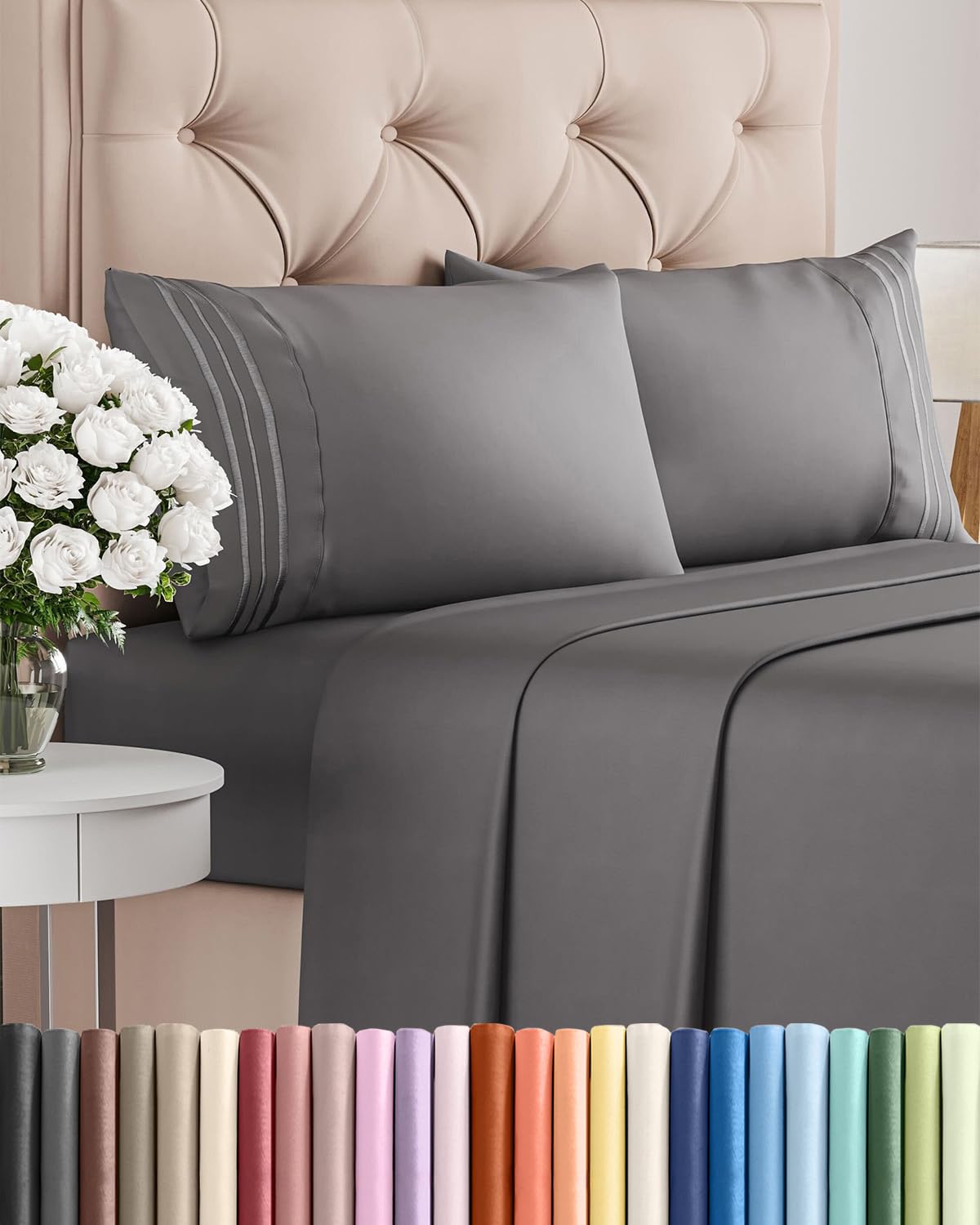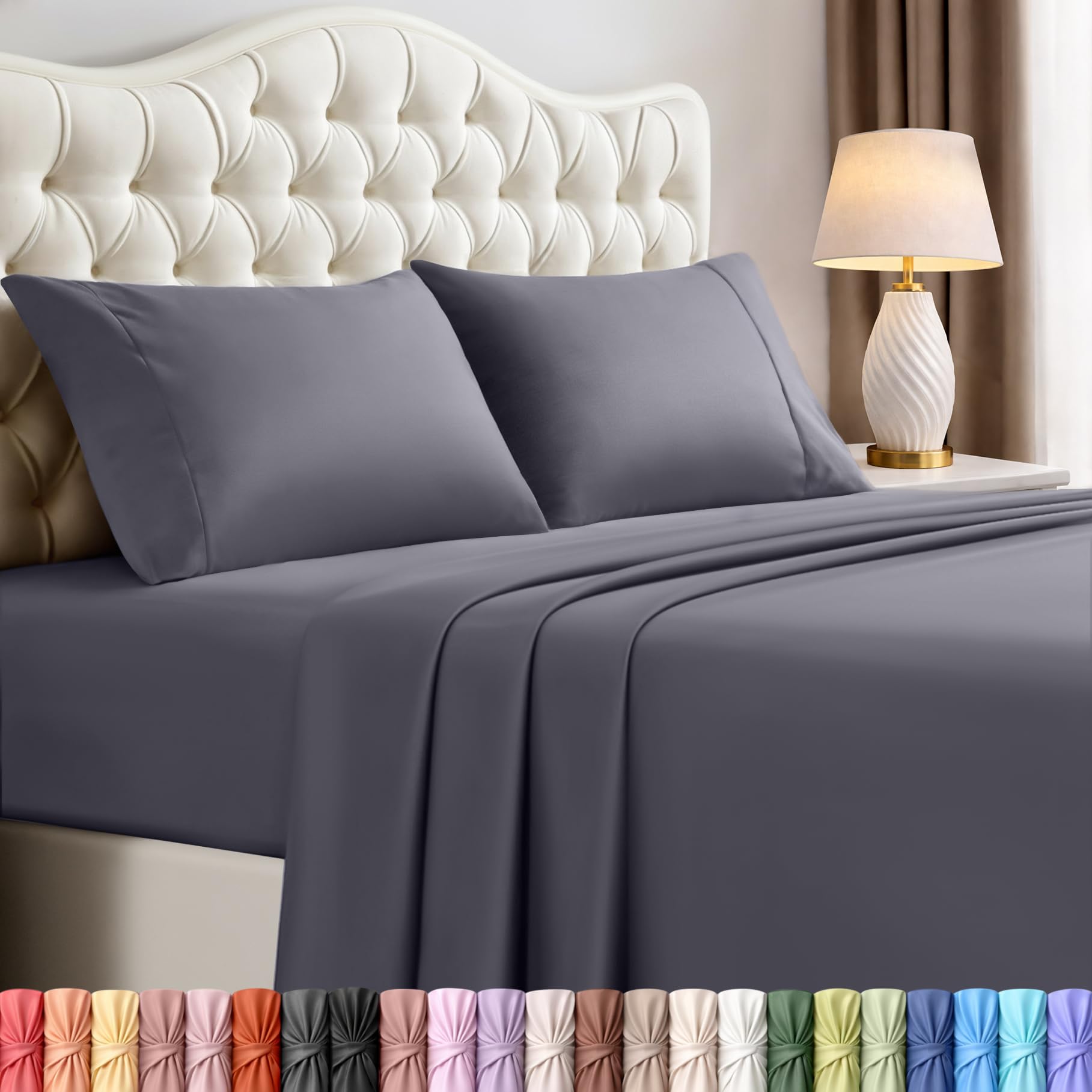

If you’ve got a limited budget for a cooling upgrade, here’s the answer without the filler: sheets first, then the pillow. The gap is bigger than most “both are important” articles admit.
Why sheets win the math
Your sheets are in contact with about 80% of your body. A pillow touches maybe 10%. Even an aggressively cooling pillow can only dissipate heat from your head and neck — meanwhile your torso, legs, and arms are losing to traditional cotton percale that’s trapping warmth across a much larger surface.
On the bad nights — the 3am wake-up drenched through the back of a t-shirt — it’s the mid-back-to-hip area that’s soaked, not the pillow. That’s sheet territory.
A bamboo-viscose or Tencel sheet set vents roughly 30% more heat than standard cotton in controlled tests. Multiplied across that 80% surface area, that’s the single largest intervention outside of turning down the thermostat.
Why pillows still matter
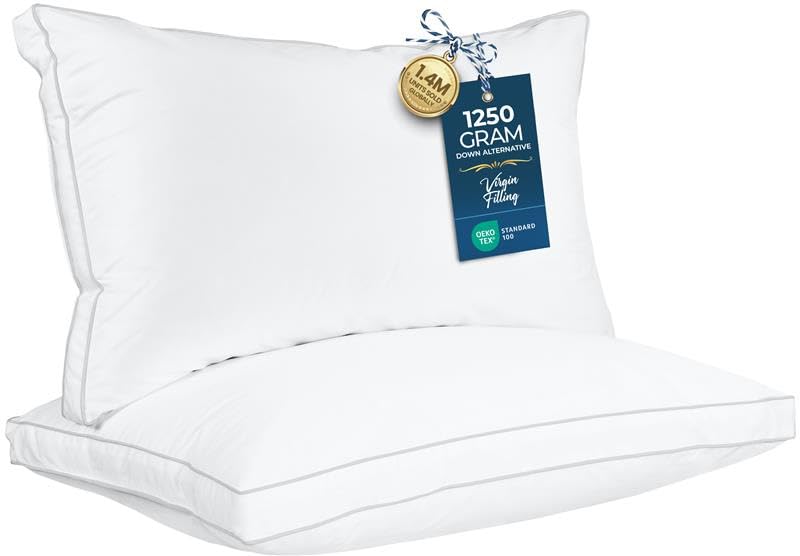
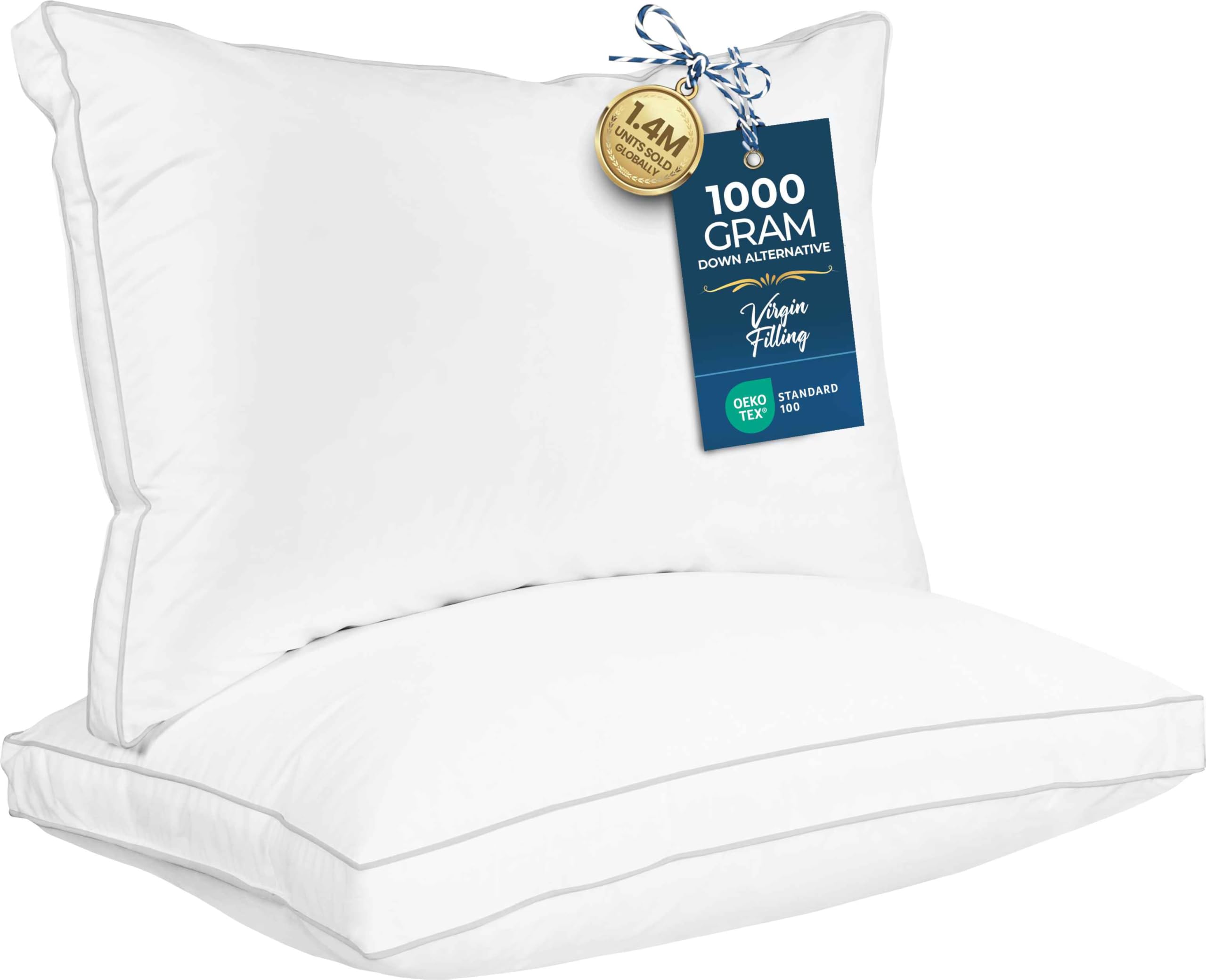
The caveat: for sleep quality (not just hot flash management), pillow matters more than most people realize. The back of your head and neck sit on a small high-insulation zone, and heat pooling there measurably disrupts the temperature-drop phase that triggers deep sleep.
If you wake up with the back of your head sweaty, flip your pillow to the cool side within the first wake-up; if it’s hot in under a minute, that’s a pillow-specific problem. A satin or silk pillowcaseCheck on Amazon → solves most of this for $12 — the sheen doesn’t grip hair or skin the way cotton does, so heat doesn’t build as quickly.
A full cooling-gel pillow is the next tier — genuine thermal mass beyond just surface texture. Worth it if you’ve already done sheets + pillowcase and still have the “hot head” pattern.
The practical order of operations
If you’re starting from nothing:
- Bedroom at 65°F. Free. Biggest single lever.
- Cooling sheet setCheck on Amazon →, bamboo-viscose or Tencel. ~$25–40.
- Satin pillowcases on existing pillows. ~$12.
- A bedside fan aimed at the pillow. ~$20.
- New pillow only if 1–4 didn’t solve it. This is where budget matters most.
The combined cost of steps 2–4 is under $75 and covers roughly 90% of women we’ve spoken to. Most people don’t need the premium cooling pillow until they’ve exhausted the cheaper wins.
The edge case: side sleepers
Side sleepers run about 20% hotter at the head than back sleepers because the face is pressed into the pillow on one side. If you’re a side sleeper and the back-of-head test fails, jump the pillow up one tier in your priority list — it’s doing more work for you than average.
The bigger picture
Don’t think of this as “pick one.” Think of it as “what’s the next $25 that makes the biggest difference.” For most women in perimenopause, that $25 goes into sheets. For a minority with specific side-sleeping or hot-head patterns, it goes into the pillow first.
Full layered approach in our hot flashes and night sweats cooling toolkit — the sheets + pillowcase + fan stack is the 80/20 solution.