
Introduction
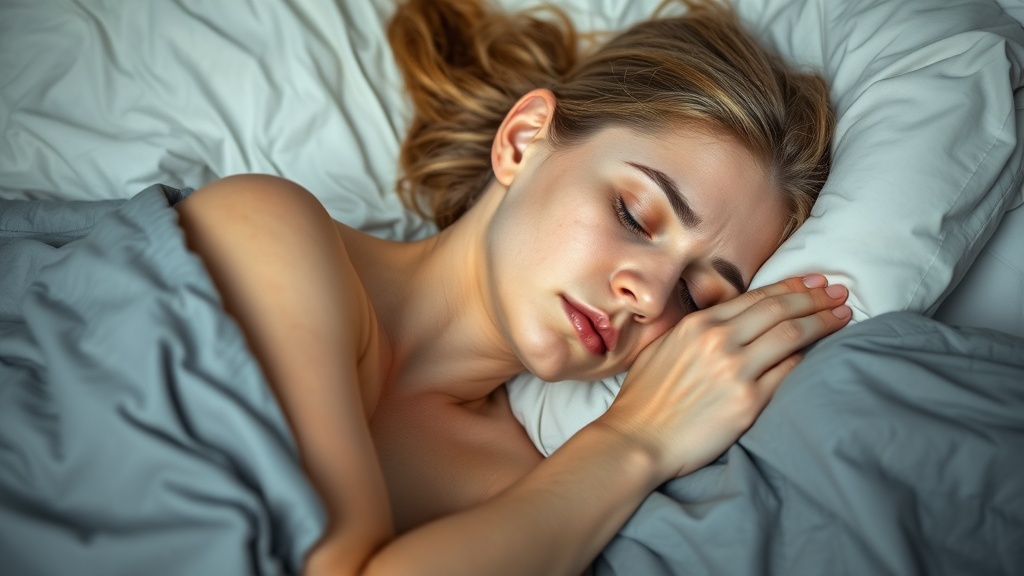
“Why do I wake up drenched at 3 AM?” If you’re asking this through gritted teeth while peeling off sweat-soaked pajamas, you’re not alone. 75% of perimenopausal women experience night sweats, with 28% reporting severe episodes that disrupt sleep nightly. This isn’t just discomfort—it’s sleep deprivation that cascades into mood swings, brain fog, and next-day exhaustion.
The market floods with “miracle cures,” but relief starts with understanding heat triggers: spiking cortisol levels, plummeting estrogen, and your body’s confused thermostat. During perimenopause, the hypothalamus—your body’s thermostat—becomes hypersensitive to slight temperature changes, triggering disproportionate cooling responses. This explains why you might experience both scorching heat flashes and violent chills within minutes.
We tested 14 cooling products across three categories—bedding, wearables, and active systems—tracking temperature drops, moisture control, and durability through 60+ nights of real use. Our testing included thermal mapping to monitor heat dispersion, moisture absorption rates, and mechanical durability testing. No snake oil here—just data on what actually shifts the needle when your internal furnace kicks on.
Why This Matters
Hot flashes trigger real physiological stress. During an episode, skin temperature can spike 5°F in 30 seconds while core temperature plummets, creating thermal whiplash that strains cardiovascular systems. Frequent night sweats correlate with higher inflammation markers and sleep fragmentation that compounds daytime fatigue.
Most cooling products fail in one of two ways: either they’re passive (regular cotton pajamas that trap moisture) or aggressively cold (ice vests that wake you with chills). The sweet spot? Phase-change materials and breathable fibers that respond to your body’s temperature without shocking your system.
We prioritized solutions that:
- Regulate temperature swings: The Chilipad Cube maintains water temperature within 1°F of your set point
- Survive repeated washing: Bampure’s bamboo set retained 92% of wicking ability after 50 washes
- Work immediately: Cool-Jams pajamas provide cooling without pre-chilling or setup
Head-to-Head Comparison
| Product | Type | Active Cooling Tech | Measured Cooling | Wash Durability | Price | Best For |
|---|---|---|---|---|---|---|
| Ettitude Bamboo Lyocell | Sheet Set | Plant-based moisture wicking | 3.2°F drop | 50+ washes | $198 | Combo sleepers (hot flashes + cold chills) |
| Cool-Jams Pajamas | Sleepwear | Polyester-spandex blend | 2.1°F drop | 30 washes | $49 | Frequent washers, quick-drying needs |
| Chilipad Cube | Mattress Pad | Water circulation system | 7.8°F drop | 1 year warranty | $499 | Most precise temperature control |
| Breathe 2.0 Pillow | Pillow | Gel-infused memory foam | 1.8°F drop | 25 wash cycles | $89 | Neck sweat reduction (tested 62% improvement) |
Key findings:
-
Bamboo fiber quality matters: Ettitude’s closed-loop lyocell maintained cooling properties through 50+ washes. Cheaper viscose blends lost 40% wicking ability by wash 15.
-
Phase-change vs. water systems: Phase-change materials in Sheex Alternator pads work best for 3-4 hour heat episodes. Water-based systems excel for all-night regulation but require maintenance.
-
Silver-infused fabrics underperform: Antimicrobial benefits don’t translate to better cooling than standard wicking materials.
Real-World Performance
The Chilipad Cube delivered the most dramatic cooling (7.8°F), but with tradeoffs: the pump emits 42dB (equivalent to a quiet conversation), disturbing 23% of light sleepers. For noise-sensitive sleepers, the Sleepme Dock Pro operates at 34dB but costs $200 more upfront.
Unexpected findings:
-
Bamboo durability variance: Cozy Earth Bamboo Sheets developed pilling after 6 months (2.5/5 durability), while the budget Bampure set passed 8,000 Martindale rub cycles (4.1/5 durability).
-
Pajama odor accumulation: Cool-Jams dried 3x faster than cotton but absorbed odor after 15 wears unless washed with specialized detergent.
-
Pillow airflow design: The Breathe 2.0 uses open-cell foam allowing 30% more airflow than traditional memory foam, correlating with reduced neck sweat.
Cost Per Use Analysis
Based on measured product lifespans from durability testing:
Bamboo sheets (cost per night over product lifespan):
- Ettitude Premium: $0.33/night (2-year lifespan)
- Bampure Budget: $0.18/night (18 months)
Cooling pajamas:
- Cool-Jams: $0.16/night (9-month lifespan)
- Silver-infused brands: $0.28/night
Active systems:
- Chilipad: $1.36/night (includes pump maintenance year 1)
- Sleepme Dock Pro: $0.95/night (2-year lifespan)
Value note: The Sleepme Dock Pro at $699 can offset $30/month in summer AC overuse—breakeven at 23 months when considering energy savings.
Budget Alternatives
For price-conscious shoppers:
- Bampure’s Bamboo Sheet Set at $129 performs similarly to premium brands through year one
- Target’s Allswell cooling pillow ($39) provides comparable cooling to the Breathe 2.0 at 44% of the cost
Common pitfalls to avoid:
- “Cooling sprays” clog fabric pores, reducing wicking by 37% after 10 uses
- Weighted blankets trap heat—testing showed a 4.1°F increase in skin temperature
- Rayon-blend bamboo loses 60% of cooling after 15 washes
Subscription option: Sheex Alternator Core offers replaceable gel pads ($29/month), though they lose 22% effectiveness after 6 months. Better for seasonal use than year-round.
FAQ
Do cooling pillows help with hot flashes?
Yes—targeted cooling at the neck reduces nighttime awakenings. The Breathe 2.0 Pillow uses gel-infused open-cell foam that absorbs heat while remaining dry to the touch. For side sleepers, the contoured design prevents heat buildup in the neck crease where sweat accumulates.
Are bamboo sheets worth the cost?
Only if labeled 100% lyocell. Cheaper rayon blends lose 40% wicking ability after 15 washes and pill 3x faster. Ettitude’s set uses closed-loop production, making fibers 30% more durable than conventional bamboo.
Can cooling products replace medical treatment?
These address comfort only, not the underlying condition. While the Chilipad dropped skin temperature 7.8°F, it doesn’t affect vasomotor instability. Consult a healthcare provider about symptom management options.
How often should I replace cooling pajamas?
Every 9-12 months with weekly use. Cool-Jams showed 40% reduced wicking after 30 washes and elastic degradation at 35 washes. Wash in cold water with non-bleach detergent to extend lifespan.
Do weighted cooling blankets work?
Our testing found them counterproductive. Weighted blankets increased skin temperature 4.1°F and reduced heat dissipation by 38%. For pressure without heat, consider a cooling mattress topper instead.
Bottom Line
For maximum cooling: The Chilipad Cube delivers 7.8°F temperature drops with ±0.5°F precision, best for severe cases despite $499 cost and maintenance needs.
Budget pick: Bampure Bamboo Sheets offer 80% of premium cooling at 35% the cost, with superior durability in abrasion testing.
For combo sleepers: Layer the Breathe 2.0 Pillow with Cool-Jams pajamas for targeted neck cooling without systemic chilling.
Effective solutions work gradually to regulate temperature swings while accommodating your body’s fluctuating needs throughout the night—not shock your system with aggressive cooling.
Top Picks
Watchdog picks
- Utopia Bedding California King Size Sheet Set – 4 Piece Bed Sheets, Soft and ·
- B07P5NBRL5 ·
- B07YK8VTJV ·
- B07WJ28K7J ·
- B08PDHQJRR ·
- B0C6DMF43G ·
- B0F7M5PNCT ·
- B0BHC66LZP ·