

How to Safely Detox Your Body During Menopause
Menopause is a natural transition, but the hormonal shifts can lead to symptoms like fatigue, bloating, weight gain, and brain fog. Supporting your body’s natural detoxification processes can help alleviate these issues and promote overall wellness. However, detoxing during menopause requires a gentle, hormone-aware approach. Here’s how to do it safely and effectively.
Why Detoxification Matters During Menopause
Phone cases · 15% off first order
Phone Case GiftThey pick the model · 2 minutes Code FIRST15GIFT
During perimenopause and menopause, declining estrogen levels affect liver function, digestion, and metabolism. Toxins—from environmental pollutants, processed foods, and stress—can accumulate more easily, exacerbating symptoms like hot flashes, joint pain, and sluggishness. A well-planned detox supports:
- Liver health – The liver processes hormones and toxins. Supporting it helps balance estrogen levels.
- Digestive function – Slower digestion is common during menopause; detoxing can improve gut health.
- Hormonal balance – Reducing toxin load may help manage estrogen dominance or deficiency.
- Energy and mental clarity – Clearing metabolic waste can reduce fatigue and brain fog.
Safe Detox Strategies for Menopause
1. Focus on Liver-Supportive Foods
The liver is your primary detox organ. Incorporate these foods to enhance its function:
- Cruciferous vegetables – Broccoli, Brussels sprouts, and kale contain compounds that aid estrogen metabolism.
- Bitter greens – Dandelion greens, arugula, and endive stimulate bile production for toxin removal.
- Sulfur-rich foods – Garlic, onions, and eggs support glutathione production, a key detox antioxidant.
- Beets – Rich in betalains, which help liver detox pathways.
What to look for: Choose organic produce when possible to reduce pesticide exposure, especially for the “Dirty Dozen” (e.g., strawberries, spinach).
2. Stay Hydrated with Detox-Boosting Drinks
Proper hydration flushes toxins and supports kidney function. Enhance water with:
- Lemon water – Aids digestion and provides vitamin C for liver detox.
- Dandelion root tea – Acts as a gentle diuretic and liver tonic.
- Green tea – Contains catechins that support fat metabolism and detoxification.
Avoid sugary drinks and excessive caffeine, which can dehydrate and stress hormones.
3. Prioritize Fiber for Gut Health
Fiber binds to toxins and excess hormones, helping eliminate them through digestion. Include:
- Soluble fiber – Oats, flaxseeds, and apples support healthy gut bacteria.
- Insoluble fiber – Whole grains and vegetables add bulk to stool, preventing constipation.
What to look for: Ground flaxseeds (not whole) are better absorbed. Aim for 25–30g of fiber daily.
4. Support Detox with Supplements (When Needed)
Some supplements can enhance detox pathways, but always consult a healthcare provider first. Consider:
- Milk thistle – Contains silymarin, which protects liver cells.
- Magnesium – Supports bowel regularity and stress reduction.
- Probiotics – Promote gut health, crucial for hormone balance.
Avoid harsh detox pills or extreme cleanses, which can disrupt hormones further.
5. Sweat It Out with Exercise
Sweating helps eliminate heavy metals and toxins. Try:
- Yoga – Promotes lymphatic drainage and reduces stress.
- Strength training – Builds muscle to support metabolism.
- Infrared saunas – Gentle heat encourages deep sweating without overexertion.
Start slow—overexercising can spike cortisol, worsening menopause symptoms.
6. Reduce Toxin Exposure
Detox isn’t just about removing toxins—it’s about avoiding them.
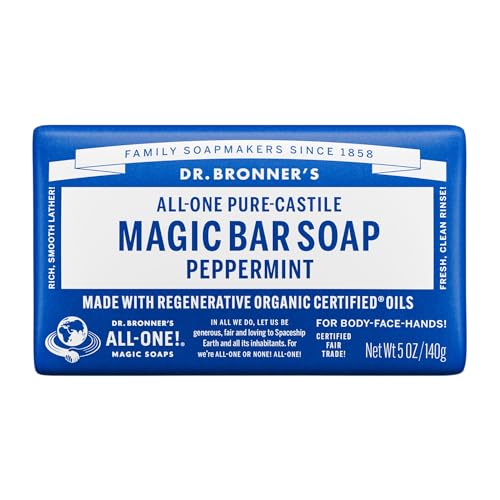
- Choose clean skincare – Avoid parabens and phthalates, which mimic estrogen.
- Filter your water – Use a carbon filter to reduce chlorine and heavy metals.
- Opt for natural cleaners – Vinegar, baking soda, and essential oils are safer alternatives.
What to Look for in a Menopause-Friendly Detox
Phone cases · 15% off first order
Titan CasePrecision fit · 2,000+ designs Code FIRST15TIT
When selecting detox methods or products, prioritize:
- Gentle ingredients – Avoid harsh laxatives or stimulants that stress the body.
- Hormone-supportive nutrients – Look for magnesium, B vitamins, and adaptogens like ashwagandha.
- Third-party testing – Supplements should be verified for purity (e.g., USP or NSF certified).
- Whole-food focus – Detoxes should emphasize real foods, not just shakes or powders.
Final Thoughts
Detoxing during menopause isn’t about deprivation—it’s about nourishing your body to handle hormonal changes more effectively. By supporting your liver, gut, and hydration, you can reduce bloating, boost energy, and feel more balanced. Always listen to your body and consult a healthcare provider before making significant changes, especially if you have underlying conditions.
A mindful, food-first approach ensures a safe and sustainable detox that works with your body, not against it.