

How to Reduce Post-Menopause Hair Thinning: A Comprehensive Guide
Understanding Post-Menopause Hair Thinning
Hair thinning after menopause is a common concern due to hormonal shifts, particularly the decline in estrogen and progesterone. These hormones play a key role in maintaining hair growth cycles, and their reduction can lead to slower hair growth, finer strands, and increased shedding. Additionally, aging affects scalp health, follicle size, and hair density. While genetics play a role, lifestyle and targeted care can significantly improve hair resilience.
Key Causes of Post-Menopausal Hair Thinning
Phone cases · 15% off first order
Phone Case GiftThey pick the model · 2 minutes Code FIRST15GIFT
- Hormonal Changes – Lower estrogen levels prolong the resting phase of hair growth (telogen), leading to more shedding and less regrowth.
- Nutritional Deficiencies – Iron, biotin, zinc, and vitamin D deficiencies are common in post-menopausal women and can exacerbate hair loss.
- Scalp Health – Reduced oil production and slower cell turnover can lead to dryness, flakiness, and weaker follicles.
- Stress & Inflammation – Cortisol spikes and chronic inflammation may disrupt hair growth cycles.
- Thyroid Imbalance – Hypothyroidism or hyperthyroidism, often undiagnosed, can contribute to thinning.
Effective Strategies to Combat Hair Thinning
1. Nutrition for Hair Strength
A diet rich in hair-supportive nutrients can make a noticeable difference:
- Iron: Found in leafy greens, lentils, and lean meats, iron supports oxygen delivery to follicles. Pair with vitamin C (citrus, bell peppers) for better absorption.
- Biotin & B Vitamins: Eggs, nuts, and whole grains strengthen keratin production.
- Omega-3s: Fatty fish, flaxseeds, and walnuts reduce scalp inflammation.
- Protein: Hair is primarily keratin, so adequate protein (lean meats, legumes, quinoa) is essential.
Consideration: If dietary gaps persist, a high-quality multivitamin with collagen or marine peptides may help.
2. Scalp Care & Topical Treatments
A healthy scalp fosters stronger hair growth:
- Gentle Cleansing: Use sulfate-free shampoos with moisturizing agents like hyaluronic acid or glycerin to prevent dryness.
- Exfoliation: A weekly scalp scrub with salicylic acid or jojoba beads removes dead skin and improves circulation.
- Growth Serums: Look for topical treatments with clinically backed ingredients like:
- Peptides: Stimulate follicle activity.
- Caffeine: Boosts blood flow to the scalp.
- Redensyl or Procapil: Plant-based alternatives to minoxidil (without the side effects).
Tip: Massage serums in with a silicone-tipped applicator to enhance absorption.
3. Hormonal Support
While estrogen replacement therapy (HRT) may help some women, natural approaches include:
- Phytoestrogens: Foods like soy, flaxseeds, and tempeh mimic weak estrogenic effects.
- Saw Palmetto: May block DHT (a hormone linked to follicle shrinkage).
- Adaptogens: Ashwagandha or maca can help balance stress hormones.
Note: Consult a healthcare provider before starting supplements, especially if on medications.
4. Lifestyle Adjustments
- Stress Management: Yoga, meditation, or even daily walks lower cortisol levels.
- Sleep Hygiene: Poor sleep disrupts repair cycles; aim for 7–8 hours nightly.
- Avoid Heat & Overstyling: Limit tight ponytails, bleaching, and high-heat tools that strain fragile hair.
5. Professional Treatments
- Low-Level Laser Therapy (LLLT): FDA-cleared devices (e.g., laser caps/brushes) stimulate follicles via red light.
- Platelet-Rich Plasma (PRP): A dermatologist injects concentrated growth factors from your blood into the scalp.
- Microneedling: Tiny punctures prompt collagen production and enhance serum absorption.
What to Look for in Hair Products
Phone cases · 15% off first order
Titan CasePrecision fit · 2,000+ designs Code FIRST15TIT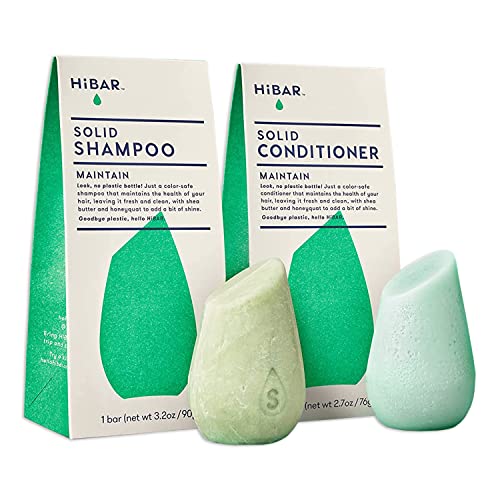
When choosing products for post-menopausal hair thinning, prioritize these features:
-
Shampoos/Conditioners:
- Sulfate-free formulas with keratin or panthenol.
- Mild cleansers like coco-glucoside to avoid stripping natural oils.
-
Serums/Treatments:
- Peptides (e.g., copper peptides) or caffeine for growth stimulation.
- Anti-inflammatory ingredients like niacinamide or aloe vera.
-
Supplements:
- Clinically studied dosages of biotin (2.5–5 mg/day), iron (18 mg/day for non-anemic women), and marine collagen.
Avoid: Harsh alcohols (like ethanol in styling products), which can dry the scalp.
Final Thoughts
Post-menopausal hair thinning can feel frustrating, but a multifaceted approach—combining nutrition, scalp care, hormonal balance, and gentle styling—can restore thickness over time. Consistency is key; results often take 3–6 months. If shedding is sudden or severe, consult a dermatologist to rule out underlying conditions like thyroid dysfunction or alopecia.
By nurturing your hair from the inside out and adopting a targeted routine, you can regain confidence and enjoy healthier, fuller hair in this new phase of life.