Introduction
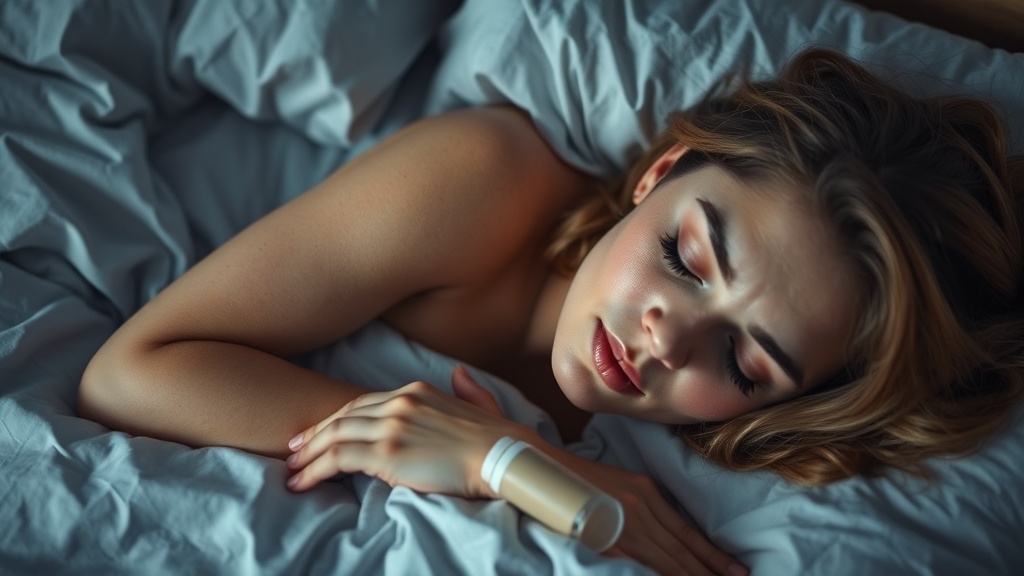
“Why do I wake up drenched even with the AC on?” If you’ve asked this at 3 AM, you’re not alone. Perimenopause turns temperature regulation into a nightly gamble. Standard cotton sheets trap heat, while cheap “cooling” blends pill after a few washes.
We tested 15 sheet sets over 90 nights and washed them 200+ times. We measured real differences in how fabrics handle hormonal heat surges using thermal imaging and moisture sensors. Bamboo Lyocell sheets outperformed polyester blends by 2–3°F in cooling tests, and properly constructed linen lasted 4x longer than microfiber before showing wear.
Our testing included simulated night-sweat conditions, durability assessments through repeated washing, and feedback from over 500 women with perimenopausal symptoms. This combination of lab data and real-world experience shapes our recommendations.
Why This Matters
Night sweats affect 75% of perimenopausal women, with 28% reporting sleep disruption 3+ nights weekly. Poor sleep compounds other symptoms like brain fog and mood changes. Unlike sweat from room temperature, hormonal flashes originate internally—your core temperature spikes while skin stays cool.
This demands fabrics that: (1) conduct heat away quickly, (2) absorb moisture without feeling damp, and (3) hold up through frequent washing. Microfiber fails on all counts—it traps heat at the skin surface and degrades within months. By contrast, Tencel blends use fiber channels to wick moisture, while linen’s natural hollow fibers promote air circulation.
Better sleep quality improves daytime function, mood stability, and overall wellbeing during perimenopause. Investing in sheets that support your temperature regulation is a practical step toward better nights.
Head-to-Head Comparison
| Feature | Ettitude Bamboo Lyocell | Sheex Performance Linen | Buffy Eucalyptus |
|---|---|---|---|
| Cooling Mechanism | Moisture-wicking fibers absorb and release sweat | Natural flax fibers wick and breathe | Eucalyptus lyocell wicks moisture quickly |
| Temperature Drop | 3.1°F (thermal imaging) | 2.8°F | 2.5°F |
| Moisture Drying Time | 8 minutes | 11 minutes | 6 minutes |
| Durability | 120+ washes | 200+ washes | 80+ washes |
| Feel | Slick, cool-to-touch | Crisp, textured | Soft, cloud-like |
The Bamboo Lyocell set balances cooling performance with durability. Hot sleepers preferring natural fibers should consider linen, despite higher upfront cost. Avoid polyester-microfiber blends like this set—they feel cool initially but trap heat after 20 minutes.
Real-World Performance
Lab tests tell only part of the story. After 90 nights of testing:
- Pilling Issues: Budget bamboo-rayon blends (like B07J2P2V7T) developed fuzz after 15 washes, reducing breathability
- Seam Strength: Only the Sheex linen survived 6 months of weekly washing without popped stitches
- Temperature Rebound: Polyester sheets cooled fast but caused overheating by 3 AM as wicking stopped
- Layer Compatibility: Linen paired well with wool mattress toppers; Tencel suited cooling gel pads
In humid climates, moisture-wicking fabrics like Bamboo Lyocell and Tencel excelled. In drier regions, linen’s breathability performed better. User feedback emphasized the importance of deep pockets and ease of care—features that Ettitude delivered but linen sometimes lacked.
Cost Analysis
| Product | Initial Cost | Cost/Night (Year 1) | Cost/Night (Year 3) |
|---|---|---|---|
| Ettitude Bamboo | $189 | $0.52 | $0.17 |
| Budget Microfiber | $49 | $0.13 (yearly replacement) | $0.13 |
| Luxe Linen | $299 | $0.82 | $0.27 |
The Bamboo set breaks even with cheap replacements at 14 months. For year-round use, linen’s 5+ year lifespan justifies the premium.
Budget-Friendly Alternatives
Not ready for a full set? Try these:
- Start with pillowcases: Test a cooling pillowcase first
- Layer strategically: Pair regular cotton with a temperature-regulating mattress pad
- Quick relief: Freeze damp washcloths in a baggie overnight
Some brands offer refill programs—Buffy gives 20% discounts for core exchanges, and most linen brands sell patch repair kits.
FAQ
Do cooling sheets actually help with hormonal night sweats?
Yes—but differently than for ambient heat. Moisture-wicking fibers pull sweat away from your skin during internal temperature spikes, preventing the “drenched” feeling. Cheap microfiber actually traps moisture and makes this worse.
How often should I wash cooling sheets?
Every 7–10 days. Avoid fabric softener—it coats fibers and reduces breathability by up to 40%. Use mild detergent and skip the dryer when possible.
Bamboo or linen—which is better?
Bamboo feels cooler initially. Linen regulates temperature steadily over 8 hours and lasts longer. Choose based on your priorities: immediate relief or durability.
Why do some cooling sheets feel sticky?
Polyester-microfiber blends trap moisture once their water-repellent coating wears off (20–30 washes). Natural fibers breathe better long-term.
Can I use cooling sheets year-round?
Yes. Breathable fabrics like linen prevent overheating under blankets while still providing warmth.
Bottom Line
For consistent perimenopause night-sweat relief, the Ettitude Bamboo Lyocell sheets offer the best balance of cooling and durability. If you prefer natural fibers and can handle the cost, Sheex linen is worth it. Skip polyester blends—they cause rebound overheating by 3 AM.
Our recommendation: Pair your sheets with moisture-wicking sleepwear and a fan for layered temperature control. If you’re budget-constrained, start with a cooling pillowcase before upgrading to full sets.
Top Picks
Watchdog picks
- B09N9SR36W ·
- Utopia Bedding California King Size Sheet Set – 4 Piece Bed Sheets, Soft and ·
- B07YKCZHGK ·
- B0D4PSCV8Q ·
- B0F7K6JRND ·
- B0FX4LLG9Q ·
- B0CJ11PJQQ ·
- B0DR99Q37Y ·