
Weighted Blankets and Hot Flashes: Smart Combo or Thermal Trap?
For many people, especially women navigating menopause or individuals experiencing hormonal fluctuations, hot flashes are a frustrating nightly disruption. Seeking relief, some have turned to weighted blankets as a tool for improving sleep quality. But does a weighted blanket offer comfort or added heat when hot flashes strike? Let’s explore the pros, cons, and practical considerations to help you decide if this combination is right for your sleep routine.
Understanding Hot Flashes and Night Sweats
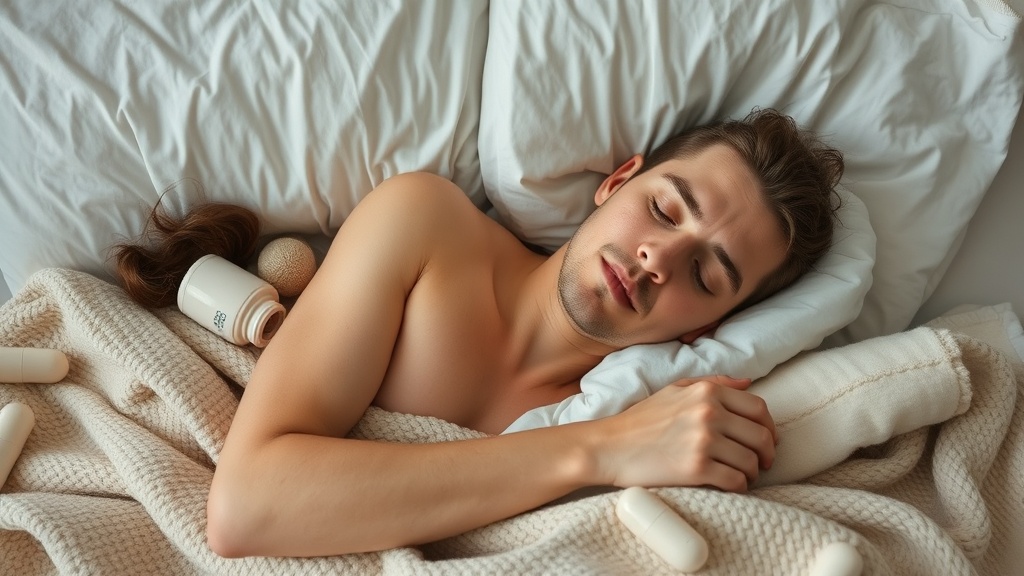
Hot flashes are sudden waves of heat that typically arise from hormonal changes, especially during menopause. They often come with sweating, increased heart rate, and flushing, significantly disturbing sleep. Night sweats — hot flashes occurring during the night — can lead to frequent awakenings and difficulty cooling down, creating a cycle of poor sleep and increased discomfort.
The core challenge is managing body temperature effectively during these episodes, making bedding choices critically important.
What Are Weighted Blankets?
Weighted blankets are heavier than standard blankets, usually filled with materials like glass beads, plastic pellets, or natural fillings to add weight evenly across the body. The typical weight ranges from 5 to 20 pounds, chosen as roughly 10% of the user’s body weight.
The proposed benefits include:
- Deep Pressure Stimulation (DPS): Similar to a gentle hug, this pressure may reduce anxiety and promote relaxation.
- Improved Sleep Quality: Some studies suggest weighted blankets can ease insomnia and help people fall asleep faster.
- Reduced Restlessness: The even weight encourages a feeling of grounding and calmness.
While popular, weighted blankets are not specifically designed to regulate temperature, which is a key factor for managing hot flashes.
Weighted Blankets and Heat Retention: The Thermal Factor
Weighted blankets generally use dense filling materials and multiple layers of fabric, which can trap body heat. Combined with the extra weight pressing down on the body, this can create a sensation of increased warmth.
For individuals prone to hot flashes or night sweats, this additional heat can feel like:
- Wearing extra layers during a fever.
- Intensifying the discomfort of hot flashes.
- Triggering or worsening awakenings due to thermal discomfort.
In short, weighted blankets have a thermal trap potential when not chosen or used thoughtfully.
Can Weighted Blankets Help With Hot Flashes?
The answer is nuanced.
Potential Benefits:
- Calming Effect: The deep pressure stimulation may help reduce anxiety and lower the overall stress response, which can in some cases mitigate the frequency or intensity of hot flashes.
- Improved Sleep: If hot flashes cause anxiety about sleep, the comfort of a weighted blanket might indirectly improve rest.
- Custom Weighting: Choosing a lighter weighted blanket can give the calming benefits with less risk of overheating.
Potential Drawbacks:
- Heat Retention: Weighted blankets typically keep heat in, which can worsen nocturnal hot flashes and sweating.
- Reduced Breathability: Many blankets use polyester or cotton covers which can be less breathable, compounding heat issues.
- Inability to Adjust Quickly: Unlike loose bedding, weighted blankets offer less freedom to kick off or adjust during a hot flash episode.
Choosing the Right Weighted Blanket for Hot Flashes
If you want to try a weighted blanket while managing hot flashes, consider these key factors:
1. Fabric Choice
- Natural Fibers: Cotton, bamboo, or linen covers offer better breathability and moisture-wicking than synthetic fabrics.
- Cooling Technology: Some weighted blankets incorporate cooling gel beads or special moisture-managing materials designed for temperature regulation.
2. Weight
- Opt for a lighter weight—closer to 5 pounds rather than 15-20 pounds—especially if you’re prone to overheating.
- You can layer a lighter weighted blanket with other breathable bedding to customize warmth.
3. Climate and Season
- Use weighted blankets seasonally, switching out for lighter blankets or sheets in warmer months.
- Consider a weighted lap pad or vest during the day for anxiety relief without overnight overheating.
4. Ventilation and Sleep Environment
- Ensure your bedroom is cool and well-ventilated; the sleep environment plays a crucial role in managing hot flashes.
- Use fans or air conditioning to help counteract any additional heat from the blanket.
Alternatives and Complementary Approaches
If weighted blankets feel like a thermal trap for you, there are other practical strategies for managing night sweats and improving sleep:
- Cooling Mattress check price on Amazon Pads: Some mattress toppers have cooling gels or phase-change materials.
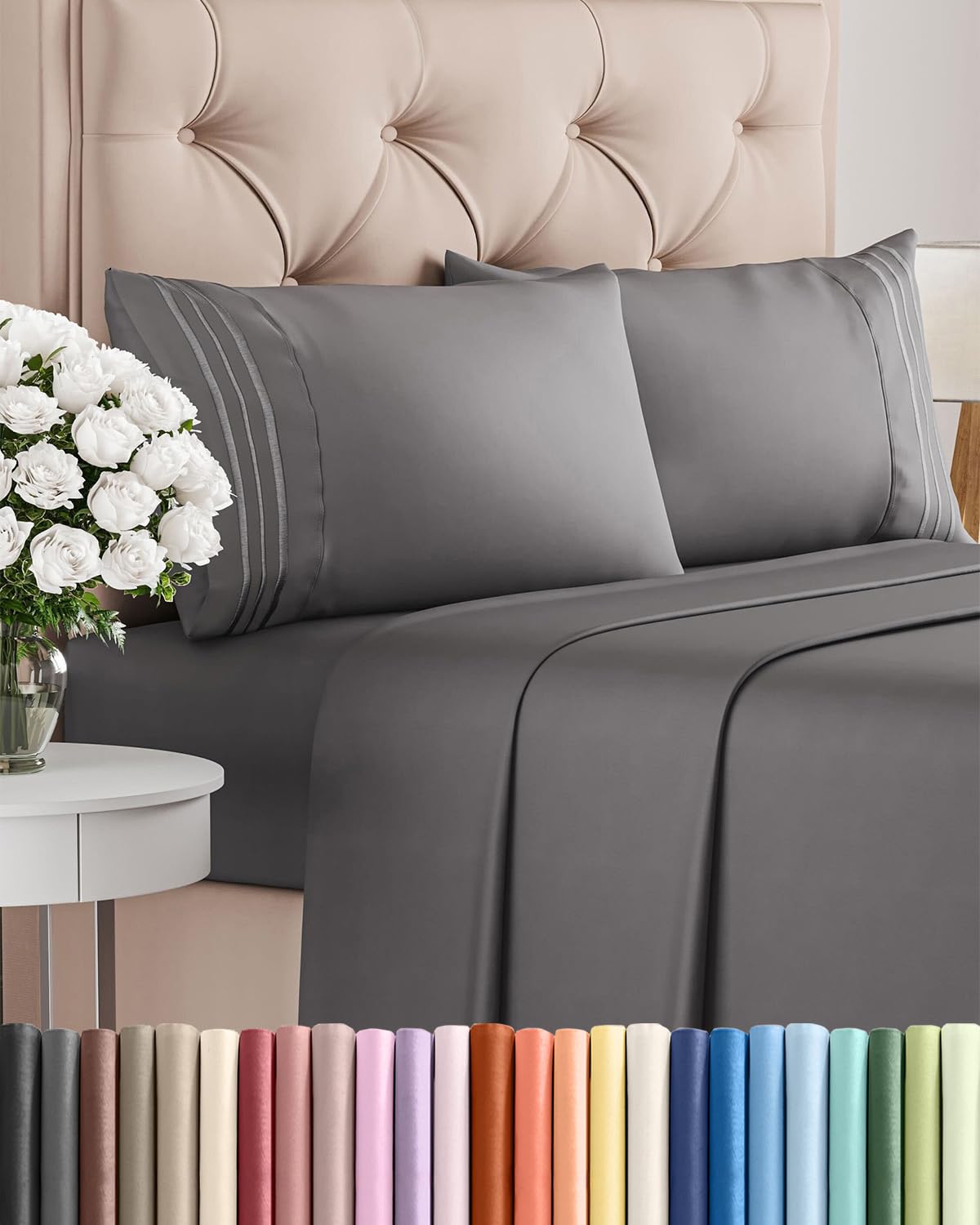
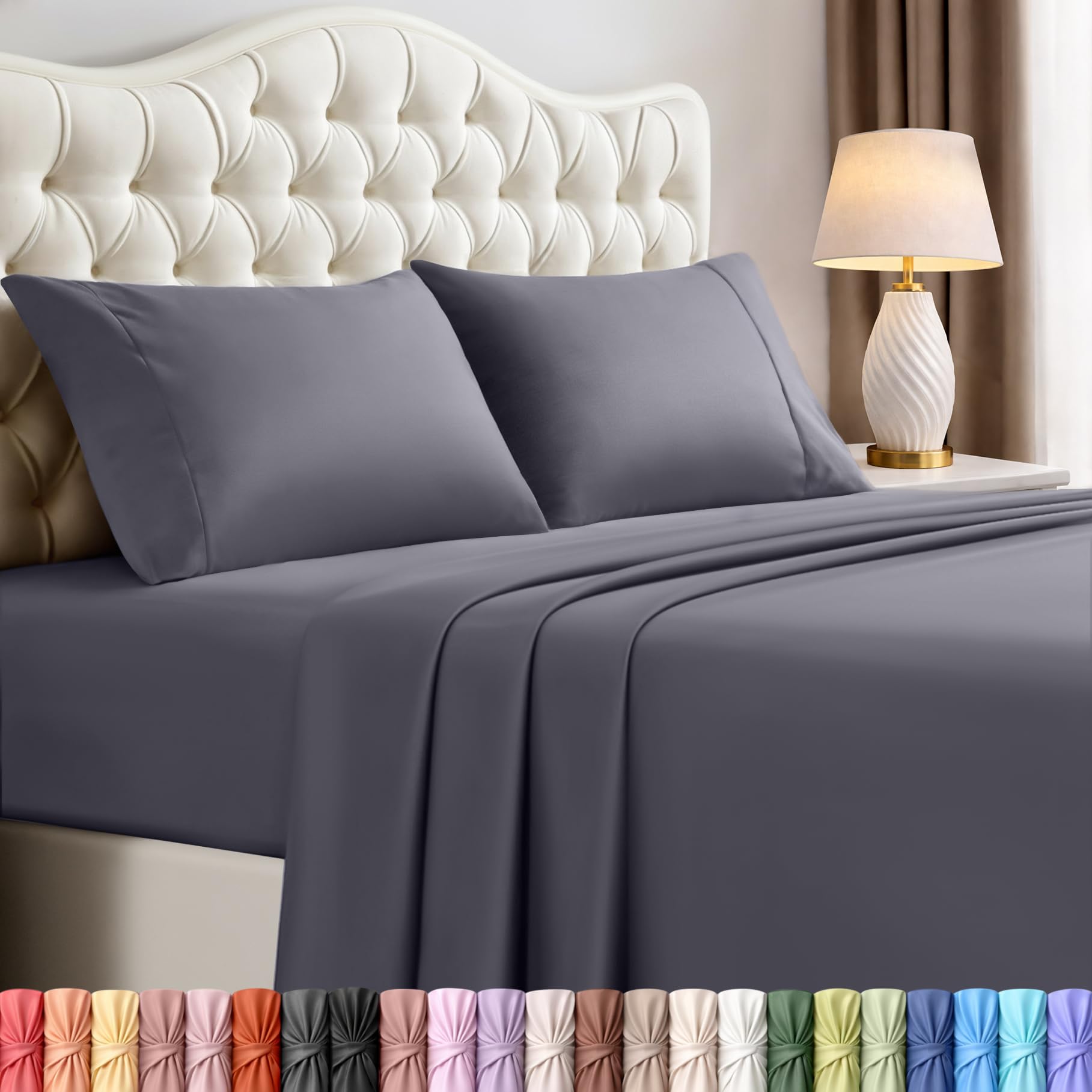
- Loose, Breathable Bedding: Use lightweight cotton or moisture-wicking sheets.
- Natural Fiber Pajamas: Clothing made from bamboo, cotton, or silk can keep skin drier.
- Hydration and Diet: Limiting spicy foods, caffeine, and alcohol near bedtime can reduce hot flashes.
- Temperature Control: Cooling devices or keeping a glass of cool water bedside.
Final Thoughts: Smart Combo or Thermal Trap?
Weighted blankets can be a helpful sleep aid for some people dealing with anxiety, insomnia, or restlessness. However, for those who experience frequent hot flashes and night sweats, a traditional weighted blanket may prove more of a thermal trap than a comfort.
That said, with careful selection — choosing lighter weights, natural breathable fabrics, and ensuring a cool sleep environment — weighted blankets can still be part of a smart sleep strategy. The key is paying attention to how your body responds and balancing comfort with temperature regulation.
If hot flashes are severe or persistent, consulting a healthcare provider or sleep specialist can open the door to tailored therapies beyond bedding adjustments.
Key Takeaways
- Weighted blankets offer calming deep pressure stimulation but often retain heat.
- Hot flashes require effective temperature regulation; extra heat can worsen symptoms.
- Choose breathable fabrics and lighter weights to reduce overheating risk.
- Consider your overall sleep environment for best results.
- Alternatives like cooling pads and breathable bedding may be better for sensitive hot flash sufferers.
With mindful choices, weighted blankets and hot flashes don’t have to be mutually exclusive — but it’s important to watch for signs you may be creating a thermal trap instead of cozy relief.
If you’re interested in exploring weighted blankets designed with cooling features, check out the latest options from brands specializing in breathable, thermo-regulating materials. Just remember: the best sleep solution is one that feels right for your unique body and situation.