
19. The Best Cooling Blankets and Why Most Fail the 3AM Test
If you struggle with overheating during sleep or wake up sweaty in the middle of the night, a cooling blanket might seem like the perfect solution. But here’s the hard truth: most cooling blankets fail what I call the “3AM test.” They promise temperature regulation and comfort, but by 3 AM, many users find themselves sweaty, clammy, or tossing the blanket aside. In this article, I explain what the 3AM test is, why most cooling blankets don’t pass it, and which ones stand out as truly effective.
What Is the 3AM Test?
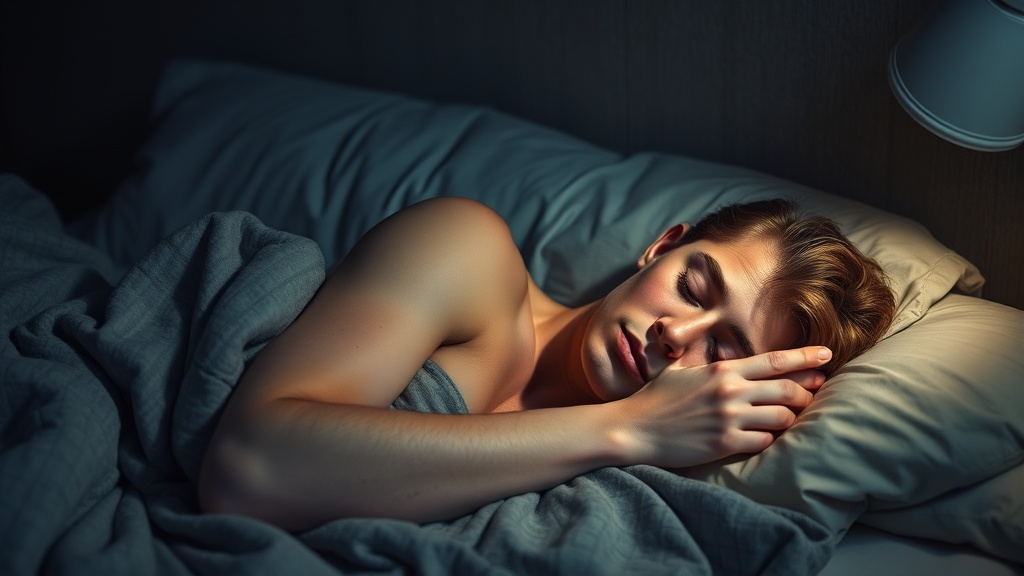
The “3AM test” is a simple but effective way to judge a cooling blanket. It refers to the critical moment during your sleep when body temperature naturally dips and fluctuates, typically in the early morning hours around 2–4 AM. This period is when you’re most likely to wake up feeling uncomfortably warm or cold, depending on what you’re sleeping with.
A cooling blanket that passes the 3AM test will:
- Maintain a comfortable skin temperature without overheating
- Prevent excessive sweating or clamminess
- Help you fall back asleep quickly if you do wake up
- Feel breathable and light without sacrificing warmth
Many cooling blankets look great on paper, but users often find they get too hot or limit airflow, leading to night sweats or disrupted sleep. That’s why it’s crucial to understand the materials, construction, and cooling technology used.
Why Most Cooling Blankets Fail the 3AM Test
1. Ineffective Moisture-Wicking and Breathability
Many blankets claim to be cooling because of synthetic fabrics like polyester or blends branded as “moisture-wicking.” In practice, these can trap moisture and heat rather than dissipate it. If the fabric cannot efficiently wick away sweat or allow enough airflow, you end up waking up drenched or clammy.
2. Over-reliance on Cooling Gels or Special Fibers
Some cooling blankets use gel-infused fibers or phase-change materials designed to absorb and release heat. While this tech sounds promising, in many cases, the cooling effect is short-lived. Once the material saturates with body heat, it no longer feels cool, causing discomfort in the early morning.
3. Too Dense or Heavy
Blankets with dense weaves or heavy fillings (even if lightweight claimers) can trap heat. If the construction blocks airflow rather than enhancing it, you’ll feel stuffy and may sweat despite the “cooling” label.
4. Ignoring Personal Sleep Environment
The effectiveness of a cooling blanket also depends on your bedroom environment (temperature, humidity, bedding layers) and your personal body heat. Many brands market one-size-fits-all solutions without considering that cooling needs vary widely.
What to Look for in a Cooling Blanket That Passes the 3AM Test
Breathable Natural Fabrics
Fibers like bamboo, cotton, linen, and eucalyptus lyocell are naturally breathable and moisture-wicking. These encourage airflow and evaporation, helping reduce night sweats.
Lightweight Construction
Opt for blankets that are lightweight but warm enough for your climate. Avoid overly thick or heavy blankets regardless of cooling promises.
Real Temperature-Regulating Materials
Look for phase-change materials (PCM) embedded in fibers or specialized heat-absorbing technologies validated through laboratory testing. However, don’t expect miracles—choose tech-enhanced blankets as a complement to breathable fabrics.
Customer Reviews Focused on Mid-Night Experience
The best way to judge a cooling blanket is from honest user feedback centered around the 3AM waking periods. Positive reviews that specifically mention staying dry and comfortable all night are better indicators.
Top Cooling Blankets That Pass the 3AM Test
1. Buffy Breeze Comforter
- Materials: Eucalyptus lyocell fabric, cool-to-the-touch weave
- Why it works: The eucalyptus fiber is highly breathable and moisture-wicking, promoting airflow while remaining soft. The lightweight design means it doesn’t trap heat, and many users report staying comfortable all night, including the early morning hours.
- Drawback: Not the warmest option for very cold sleepers, so layering may be required.
2. Sleep Number True Temp Blanket
- Materials: Phase change material (PCM) fibers combined with breathable cotton
- Why it works: The embedded PCM provides temperature regulation by absorbing excess body heat and releasing it gradually. The cotton blend enhances airflow. Users note fewer night sweats and consistent comfort at 3 AM.
- Drawback: Slightly higher price point.
3. Sferra Zen Bamboo Coverlet
- Materials: 100% bamboo fabric
- Why it works: Bamboo fabric naturally wicks moisture and is cooler than cotton in warm weather. The open weave increases breathability. Lightweight yet cozy, this coverlet consistently receives praise for comfort throughout the night.
- Drawback: Some find bamboo a bit less durable over time.
4. ChiliPad Cube (for mattress cooling but works with blankets)
- Why it works: Although not a blanket itself, this mattress cooling system addresses the limitation of blankets alone. By actively cooling the mattress surface, it prevents blanket-induced heat buildup and passes the 3AM test with flying colors.
- Good for: Sleepers who experience severe overheating or night sweats.
Practical Tips for Using Cooling Blankets to Pass the 3AM Test
- Keep your bedroom temperature between 60-68°F (15-20°C). Cooling blankets can’t overcome overheated rooms.
- Use multiple light layers instead of one heavy blanket. This allows you to add or remove layers as you cool down or warm up during the night.
- Wash blankets regularly. Dirt and oils reduce moisture-wicking properties over time.
- Match your sleeping style. If you are a hot sleeper, prioritize highly breathable fabrics; if you run cold, pick ones with slight thermal retention but good moisture control.
- Avoid synthetic-only fibers. Blends that contain natural fibers usually perform better in moisture management.
Conclusion
Most cooling blankets fail the 3AM test because they rely on gimmicky tech, heavy construction, or poor fabric choices that don’t breathe or wick moisture effectively during the critical early morning hours. To avoid tossing your blanket aside in frustration, prioritize natural breathable fibers, lightweight design, and real-world temperature-regulating materials—plus, consider your personal sleep environment.
Products like the Buffy Breeze, Sleep Number True Temp Blanket, and quality bamboo coverlets stand out as practical, no-nonsense cooling blankets that help you stay comfortable through the night without hype. Combine one with good sleep hygiene and bedroom conditions, and you’ll finally pass that 3AM test.
If you’re interested in trying one of these blankets, check the links in our store section for current reviews and discounts! Remember, no cooling blanket is a magic fix—getting comfortable sleep is about the whole environment and your habits, too.