
Night Sweats and Anxiety: Why They Travel Together
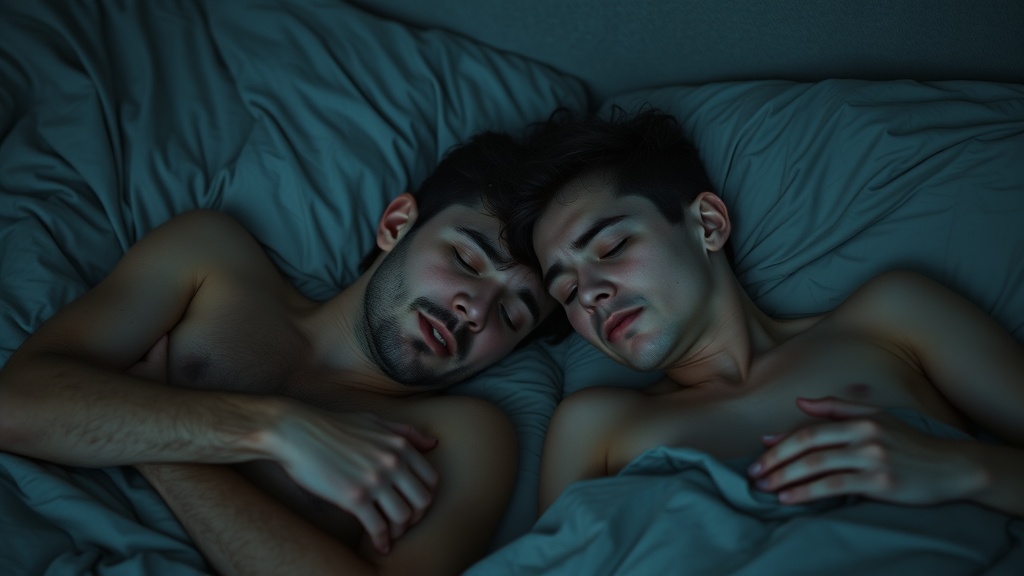
If you’ve ever woken up drenched in sweat after a night of tossing and turning, you’re not alone. Night sweats can be unsettling, and when paired with anxiety, they often create a cycle that’s tough to break. Understanding why night sweats and anxiety frequently coexist can help you manage both more effectively.
What Are Night Sweats?
Night sweats are episodes of excessive sweating that occur during sleep, enough to soak your bedclothes or sheets. Unlike simply feeling warm, night sweats are intense and disruptive. Common causes include infections, hormone changes, medications, or other medical conditions. However, anxiety is a less obvious but significant factor that often gets overlooked.
What Is Anxiety?
Anxiety is a natural stress response that activates your body’s “fight or flight” system. While some anxiety is normal and even helpful, chronic or intense anxiety can interfere with your daily life and sleep quality. Physical symptoms often include a rapid heartbeat, muscle tension, and sweating — whether during the day or night.
The Link Between Night Sweats and Anxiety
1. The Physiology of Anxiety
When you experience anxiety, your nervous system goes into overdrive. The sympathetic nervous system, which controls the body’s stress response, triggers the release of adrenaline and cortisol. These hormones prepare your body to respond to perceived danger by increasing heart rate, raising body temperature, and activating sweat glands.
Even if there’s no visible threat, your body reacts as though you’re in danger. At night, this stress response can manifest as night sweats even if you don’t consciously feel anxious.
2. Sleep and Anxiety Interact Deeply
Anxiety negatively impacts sleep quality, causing difficulties falling asleep or maintaining deep sleep stages. Poor sleep can worsen anxiety, creating a cycle. Night sweats may occur as part of this interaction — either as a symptom of anxiety disrupting sleep or intensified by fits of worry that heighten sympathetic nervous system activity.
3. Panic Attacks and Night Sweats
Panic attacks, which are sudden episodes of intense fear, can happen during sleep. Awakening from a panic attack often leaves individuals sweating heavily. Since panic attacks are closely tied to anxiety disorders, night sweats can be an accompanying sign.
Other Factors That May Compound Night Sweats in People with Anxiety
- Medications: Some anti-anxiety medications or antidepressants can cause night sweats as a side effect.
- Hormonal Fluctuations: Anxiety can disrupt your hormonal balance, indirectly influencing sweating.
- Diet & Lifestyle: Stimulants like caffeine and alcohol can worsen anxiety symptoms and contribute to night sweating.
- Underlying Medical Conditions: Sometimes, anxiety coexists with conditions like thyroid disorders that also cause night sweats.
When to See a Doctor
Night sweats alone are not usually dangerous, but it’s worth consulting your healthcare provider if you notice:
- Night sweats accompanied by unexplained weight loss or fever
- Sweating that soaks bedding regularly
- Persistent anxiety interfering with daily function
- Symptoms suggestive of infections or other medical problems
Your healthcare provider can help determine whether your night sweats are related to anxiety or require further investigation.
Managing Night Sweats and Anxiety Together
1. Practice Good Sleep Hygiene
- Maintain a consistent sleep schedule
- Keep your bedroom cool and ventilated
- Avoid heavy meals and stimulants before bedtime
2. Relaxation Techniques
Techniques like deep breathing, progressive muscle relaxation, or mindfulness meditation can calm your nervous system before bed, reducing anxiety and the likelihood of night sweats.
3. Physical Activity
Regular exercise helps regulate your stress response and promotes better sleep, but avoid vigorous exercise close to bedtime.
4. Limit Stimulants
Cut back on caffeine and alcohol, especially in the hours leading up to sleep.
5. Cognitive Behavioral Therapy (CBT)
CBT is highly effective in managing anxiety and can consequently reduce night sweats triggered by stress.
6. Discuss Medication Options
If anxiety is severe or persistent, medications prescribed by a healthcare provider might be appropriate. Always consider potential side effects like sweating.
Final Thoughts
Night sweats and anxiety often go hand in hand because both are tied to the body’s stress response system. Understanding this link is the first step in breaking the cycle and improving sleep quality. Simple lifestyle adjustments, relaxation methods, and professional support can make a significant difference.
By addressing anxiety, you won’t just potentially reduce night sweats — you’ll also enhance your overall well-being and quality of life through better rest and reduced stress.
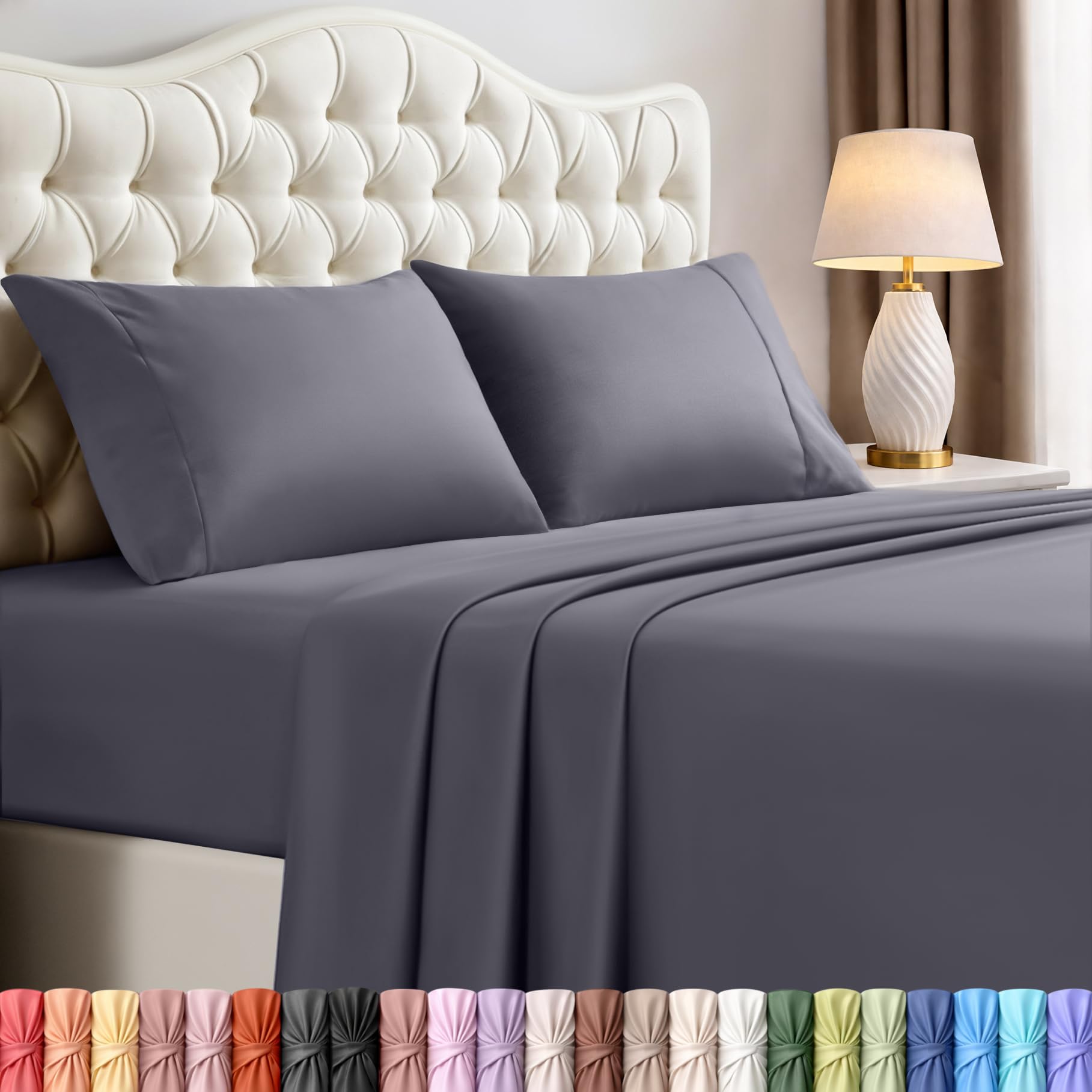
If you’re interested in practical products to help improve sleep comfort and reduce night sweating, be sure to explore breathable bedding and moisture-wicking sleepwear options. These can provide physical relief while you tackle the root causes of anxiety and sweat naturally.
For further reading:
- Sleep and Anxiety: How They Affect Each Other and What You Can Do
- Understanding Night Sweats: Causes and Treatments