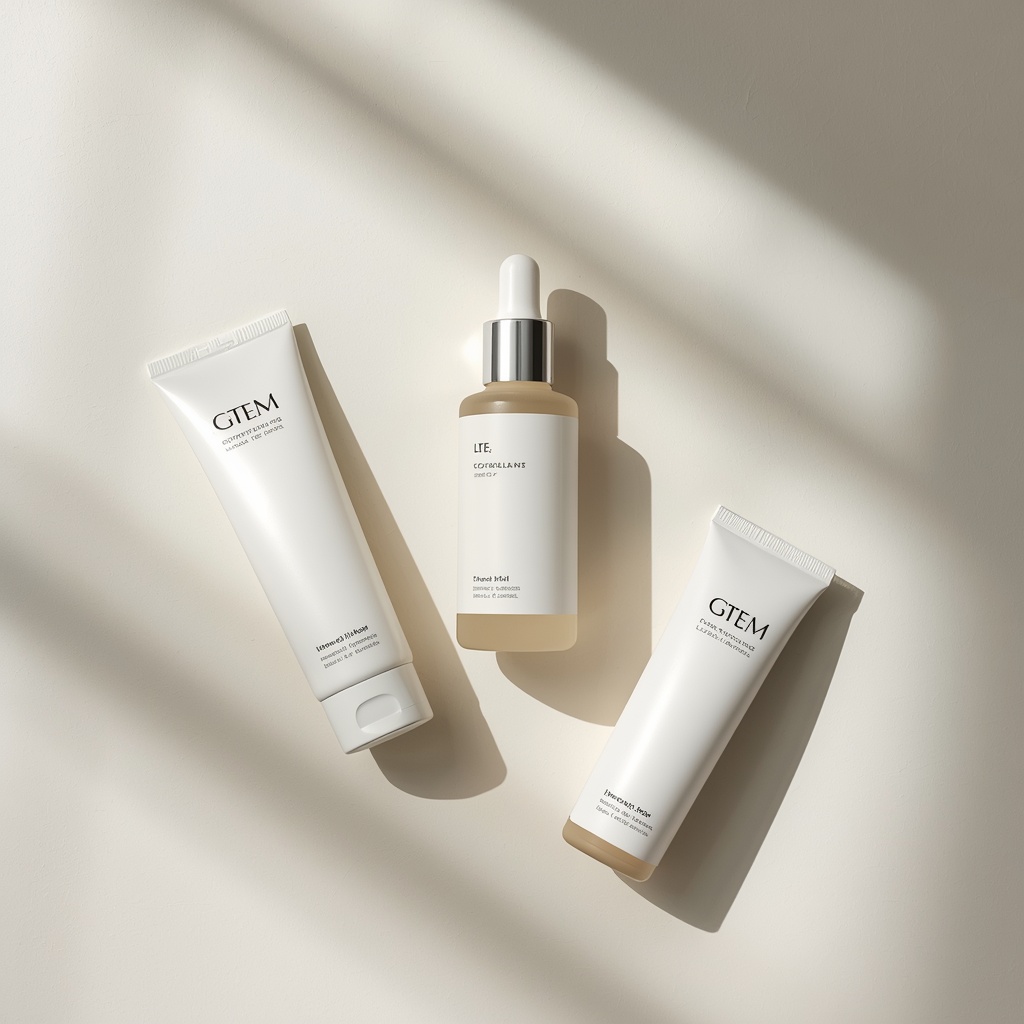
Proper storage is a common challenge for households using refillable products. Whether it’s refillable cleaning sprays, shampoo pouches, or concentrated laundry detergents, improper storage can lead to reduced shelf life, ingredient degradation, or even bacterial growth—all of which undermine your efforts to cut single-use plastic and household waste. This article explains how to store refillable products correctly, ensuring you get the most out of each refill and truly reduce waste.
What Is Shelf Life for Refillable Products?
Shelf life refers to the time during which a product remains safe, effective, and pleasant to use. Refillable products often contain concentrated formulas or natural ingredients that can be more sensitive to environmental factors like heat, light, and air exposure than single-use products wrapped in multiple protective layers.
Refillable formats vary—from concentrated powders mixed with water, to liquid refills in pouches or cartridges, to solids like bars for shampoo or soap. Each product type has its own ideal storage requirements to maximize shelf life, preserve ingredient integrity, and reduce food or microbial spoilage risks.
See also: How to Properly Clean Refillable Containers to Avoid Mold
Why Does Proper Storage Matter?
Phone cases · 15% off first order
Galaxy Case Co.Built for Galaxy. Ready for impact. Code FIRST15GAL
- Preserves Concentration and Effectiveness: Many refillable products use concentrated formulas that can degrade if exposed to fluctuating temperatures or moisture.
- Prevents Bacterial and Mold Growth: Especially for water-based refillables, improper sealing or humid environments encourage microbes that spoil the product.
- Maximizes Upfront Cost Savings: If refills spoil or lose potency, any cost benefits over bottled products quickly disappear.
- Reduces Waste and Environmental Impact: Preserving refill products minimizes the frequency of discarded, partially used refills and prevents additional packaging waste from premature disposal.
How to Store Refillable Products: Essential Steps
Step 1: Understand Your Product’s Specific Requirements
Always check the label or product information for storage instructions. Some key points to note:
- Is the product water-based or oil-based?
- Does it need refrigeration or protection from heat?
- Is it light-sensitive?
- Does it have a recommended number of days after opening (e.g., “use within 30 days of opening”)?
This baseline knowledge helps you avoid common storage mistakes.
Step 2: Use Airtight, Compatible Containers
Refillable products lose shelf life when exposed to air, which causes oxidation of ingredients and may allow microbial contamination. Always transfer refills into the original container or an airtight, compatible alternative.
- Avoid mixing brands that may have formulation differences affecting stability.
- For powders or solids, use containers with moisture-wicking seals.
- For liquids, opaque or UV-protective containers help slow down degradation.
Step 3: Store in a Cool, Dry, and Dark Place
Heat accelerates chemical reactions and decomposition, while humidity promotes mold and bacterial growth.
- Ideal temperature: Typically between 50-77°F (10-25°C)
- Avoid storing next to heat sources (water heaters, stoves)
- Avoid direct sunlight or brightly lit countertops
- Bathroom cabinets may be humid, so consider moving storage to a pantry or closet when possible
Step 4: Label Your Refilled Containers
Working with concentrates and refills means you might transfer products several times or store multiple types side-by-side. To avoid confusion and accidental cross-use:
- Label containers with product type, refill date, and expiration date if available.
- Date-stamping keeps track of when visible changes (smell, texture) appear.
Step 5: Use Refilled Products in a Timely Fashion
Even with perfect storage, no product lasts forever.
- Plan household consumption so your supply rotates on a first-in, first-used basis.
- Consider splitting large refills into small batches, especially for products with short shelf life.
Step 6: Avoid Cross-Contamination
Using the correct dispensing tools (dedicated spoons, pump dispensers) prevents foreign contaminants from entering the refill container and spoiling the product. Avoid double-dipping or touching the product with wet or dirty hands.
Comparison Table: Storage Considerations by Refillable Product Type
Phone cases · 15% off first order
Phone Case GiftFun finds for every vibe. Code FIRST15GIFT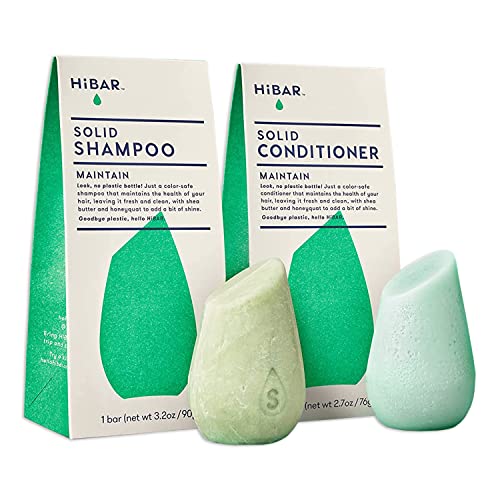
| Product Type | Storage Sensitivities | Recommended Storage | Typical Shelf Life Once Opened | Common Mistakes |
|---|---|---|---|---|
| Concentrated Liquids | Heat, air exposure | Airtight container, cool/dark place | 3-12 months | Leaving pouch open; storing in hot areas |
| Shampoo/Soap Bars | Moisture (softening/molding) | Dry, ventilated area | 6-12 months | Storing wet or inside sealed containers |
| Powdered Detergents | Moisture, humidity | Moisture-proof container | 12-24 months | Leaving pouch open; exposure to high humidity |
| Liquid Refills (water-based) | Microbial contamination, heat | Airtight, cool, dark | 1-6 months | Not sealing lids; storing in humid bathrooms |
| Concentrated Tablets | Heat, moisture | Airtight, dry container | 12-24 months | Opening package early; exposure to humidity |
Ingredient Transparency and Shelf Life
Knowing what’s inside your refillable products helps you predict storage needs. For example:
- Essential oil-based formulas may be sensitive to light and temperature, requiring opaque storage.
- Natural and plant-derived ingredients often lack preservatives, so keep them tightly sealed and use faster.
- Surfactants and enzymes in cleaning concentrates degrade more quickly if exposed to air.
Look for refill products that list all ingredients rather than vague marketing terms. This transparency helps you check whether you need refrigeration or tighter storage control.
When Do ‘Refillable’ Claims Actually Save Waste?
Phone cases · 15% off first order
Phone Cases For AllCases that match your energy. Code FIRST15ALL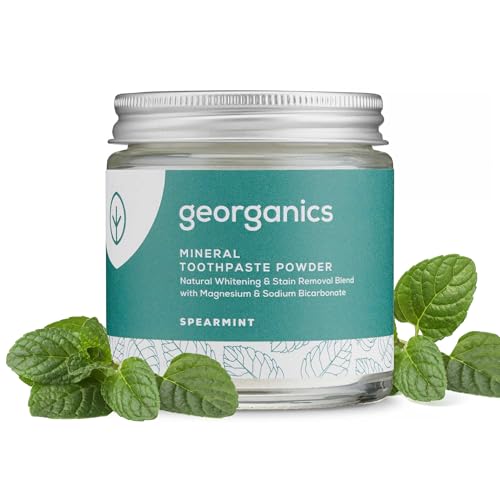
Not all refillable products reduce plastic or packaging waste equally. Some refill systems:
- Use brand-specific cartridges or pods that aren’t recyclable or refillable outside their ecosystem.
- Employ single-use plastic pouches inside cartons that still produce landfill waste.
- Offer concentrates requiring dilution but ship in plastic containers with significant packaging.
Maximize environmental benefits by choosing:
- Concentrates and pouches that you transfer into your own refillable containers.
- Refillable bars or powders minimizing plastic use altogether.
- Third-party refills with minimal non-recyclable packaging.
Summing Up: Best Practices for Storing Refillable Products
- Identify storage needs based on type and ingredients.
- Store in airtight, compatible containers.
- Avoid heat, sunlight, and humidity.
- Label clearly with refill and expiration info.
- Use refills proactively to avoid spoilage.
- Prevent contamination by using dedicated tools.
These careful storage habits prolong shelf life and preserve product quality, ensuring the refill approach truly helps you reduce plastic waste and product spoilage.