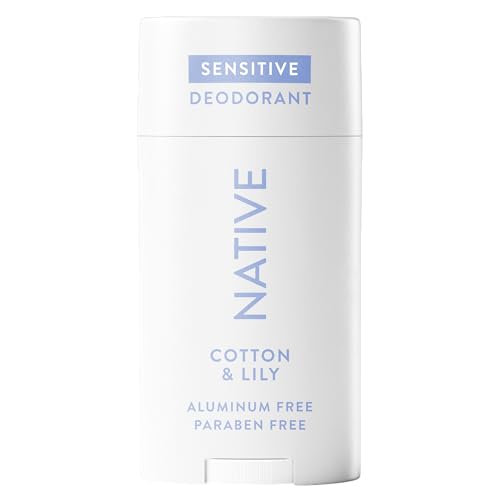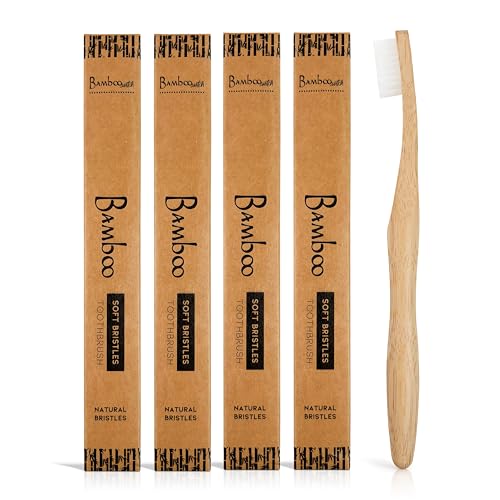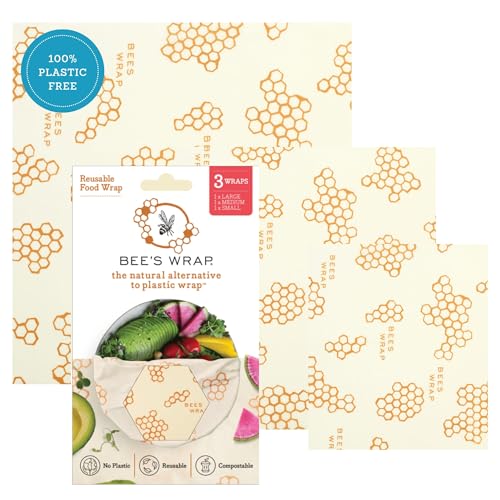
Choosing refillable products to cut down on plastic waste can sometimes feel like navigating a minefield. Many products claim to be “plastic-free” or “refillable,” but in reality, some still rely heavily on plastic components or only reduce waste marginally. If you want to genuinely minimize single-use plastic in your household, you need clear criteria for identifying truly plastic-free refillable packaging. Below, you’ll find a structured guide on how to spot genuinely plastic-free refillable products, with practical steps and detailed explanations you can use when evaluating your options.
What Does “Plastic-Free Refillable Packaging” Actually Mean?
Plastic-free refillable packaging refers to product containers and refill systems designed without any single-use or disposable plastic components. Instead, these products use materials like glass, metal, silicone, or biodegradable alternatives. The refills themselves may come in cardboard, compostable pouches, or concentrated forms to minimize plastic waste.
To be “truly” plastic-free and refillable, both the primary container and the refill pack should avoid plastic or at least drastically reduce it compared to single-use bottles or tubes.
See also: Best Refillable Cleaning Tools for Plastic Reduction at Home
How to Identify Truly Plastic-Free Refillable Packaging: Step-by-Step
Phone cases · 15% off first order
Galaxy Case Co.Built for Galaxy. Ready for impact. Code FIRST15GAL
Step 1: Inspect the Primary Container Material
- Look for non-plastic solid materials: Glass, stainless steel, aluminum, ceramic, or high-grade silicone are commonly plastic-free.
- Beware of plastic coatings: Sometimes “plastic-free” containers have interior plastic liners or plastic spouts that are easily missed.
- Check for durability and reuse design: True refillables should be intended for many refill cycles, not just a handful before disposal.
Step 2: Examine the Refill Packaging Closely
- Refills in cardboard or compostable pouches indicate reduced plastic use.
- Refill cartridges with all-paper or fully textile materials are better than plastic pouches.
- If refills contain plastics, they should be designed as compatible cartridges meant to be reused or recycled via specific programs.
- Avoid refills with laminated layers that include polyethylene or metal foil, as those are difficult to recycle.
Step 3: Confirm Ingredient Transparency and Concentration
- Concentrated refill formulas enable smaller packages, which reduce packaging overall, including plastic.
- Transparent ingredient lists help avoid additives that might require special plastic-resistant packaging.
- Refills with water or solvents in biodegradable pouches may be more plastic-free than those in rigid plastic bottles.
Step 4: Research Company Packaging Claims
- Look for third-party certifications such as OK Compost, Cradle to Cradle, or Plastic Neutral claims.
- Scrutinize “refillable” vs “plastic-free” claims separately:
- A product might be refillable but still have a plastic container or plastic lining.
- A product can be plastic-free but come in single use packages—less ideal for sustainability.
Step 5: Understand Actual Waste Reduction vs. Marketing Claims
- Some refillables use plastic tubs but smaller bottles—these reduce plastic volume per use but don’t eliminate plastic.
- Single-source refill stations (shops offering bulk refill) usually have lower overall plastic waste.
- Household refills in powder or concentrated liquid form require less packaging but may add complexity in use.
Comparison Table: Features of Different Refillable Packaging Types
| Packaging Type | Material | Plastic Content | Reuse Durability | Waste Reduction Potential | Suitable for Concentrated Formulas |
|---|---|---|---|---|---|
| Glass Bottle + Cardboard Pouch Refill | Glass (bottle), cardboard (refill) | Plastic-free or very low (some foil layer possible) | High (glass lasts long) | High (minimal plastic, multiple refills) | Yes, often ideal |
| Metal Tin + Compostable Capsule | Aluminum or stainless steel | Plastic-free capsule possible | Very High (metal lasts long) | High | Yes, but depends on capsule composition |
| Silicone Tub + Paper Refill Wrap | Silicone container, paper wrap | Silicone may be borderline plastic, refill wrap plastic-free if paper | High (silicone durable) | Medium (depends on silicone end-of-life) | Moderate |
| Plastic Bottle + Compatible Cartridge | Plastic container + plastic refill cartridge | High plastic use | Moderate (plastic degrades/repurposed) | Low to moderate (less plastic per refill) | Yes |
| Bulk Refill at Stores (own container) | User’s own container, various materials | Variable (depends on container) | High (user choice) | Very high (no additional packaging) | Highly variable |
Key Practical Tips When Shopping
Phone cases · 15% off first order
Phone Case GiftFun finds for every vibe. Code FIRST15GIFT
- Bring your own container: Refill stations or co-ops that allow refilling into your own glass or metal bottles offer the best plastic-free option.
- Ask about refill program specifics: Does the brand take back empty containers? Are packaging materials compostable or recyclable locally?
- Calculate cost vs waste tradeoff: Plastic-free packaging may cost more upfront but lowers long-term waste impact. Concentrates can save money but may require mixing.
- Evaluate ingredient concentration: More concentrated products generally mean less packaging volume and waste, amplifying plastic waste benefits.
- Beware of “greenwashed” refill claims: Some brands label products as “refillable” but supply refills in plastic pouches that are not recycled.
Common Pitfalls When Evaluating Plastic-Free Refillables
- Overlooking hidden plastics: Many products have plastic pump mechanisms, liners, or seals.
- Confusing “refillable” with “plastic-free”: Refillable plastic bottles still contribute plastic waste, just less often.
- Ignoring recyclability or compostability: Some biodegradable-looking materials require industrial composting, which may not be available near you.
- Selecting unstable materials: Certain reusable materials can absorb product or degrade quickly, leading to replacement waste.
- Assuming compatible cartridges reduce waste: Some third-party cartridges still generate plastic waste if not designed for reuse or recycling.
When Is Plastic-Free Refillable Packaging Worth It?
Phone cases · 15% off first order
Phone Cases For AllCases that match your energy. Code FIRST15ALL
- You want to reduce single-use plastic drastically, especially for high-use products like hand soap, shampoo, or cleaning products.
- You have access to local composting or recycling systems that accept packaging materials.
- You prefer investing in durable containers you use over many refill cycles.
- You use concentrated refills, which minimize packaging and transport impact.
- You desire full transparency on ingredients and packaging to avoid hidden plastics or waste.